
 English
 Greek
Greek Spanish
 Ukrainian
 Turkish
 Swedish
 Portuguese
 Russian
 German
 Bulgarian
 Arabic
 O'zbekcha
 Қазақ
ҚазақWhat to look for in a furniture machinery company that provides complete production line solutions
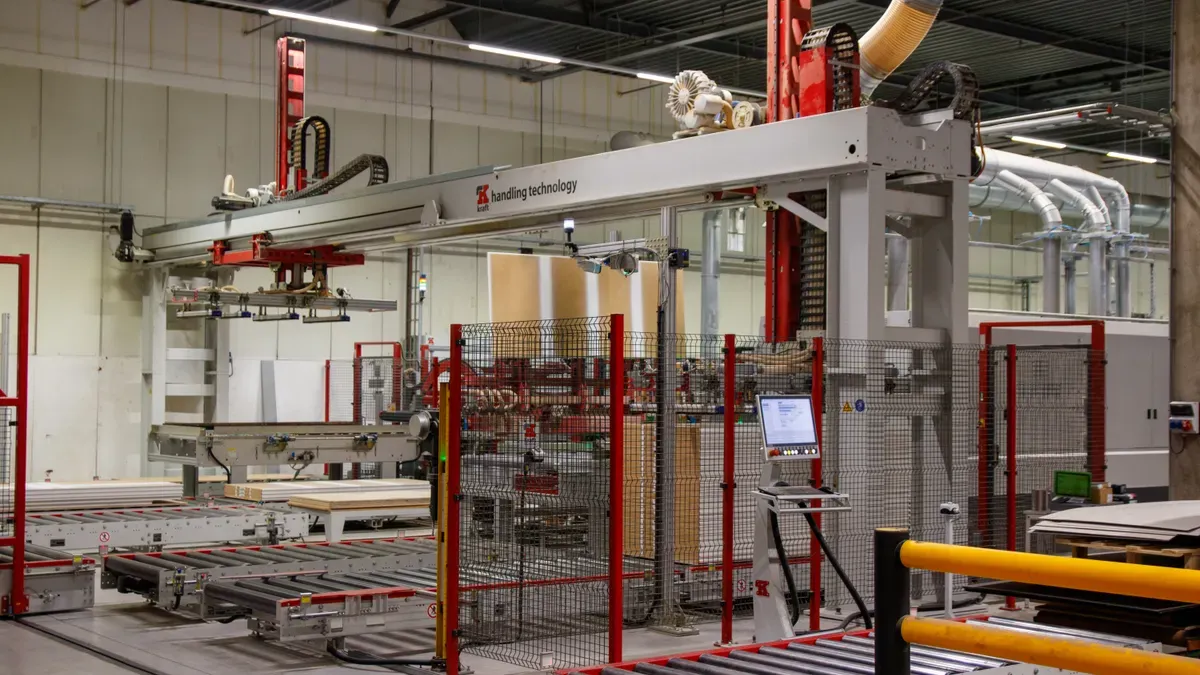
You face a common problem: machines from different brands that don't talk to each other, causing delays and lost time. You might ask if buying separate machines saves money or if a full, connected production line works better. A one-stop solution provider gives you more than equipment—they offer a complete system built for your needs. The right furniture machinery company lines up every part, from cutting to packing, so everything runs smoothly. When picking the best machinery, you need a partner who knows your goals. This article gives a full checklist covering automation, flexibility, support, and cost. You'll see how to check potential partners and choose wisely. Your production line needs a smart plan, not random buys. Let's look at what really counts.
Key Takeaways
Pick one machinery company for your whole production line. This can cut lead time by 25-40% and lower the cost of each item by 15-22%.
Look for software that connects all machines. These linked systems share data on their own, cutting down mistakes and manual tasks.
Choose modular machines that work well for both small and big jobs. This gives you the freedom to make custom items and large orders using the same setup.
Demand full support from your supplier. Good companies provide layout design, training, and quick service to reduce downtime and keep your line running.
Focus on the total cost, not just the price tag. Automated lines cut labor and waste, and they usually pay for themselves in 18 to 24 months.
Integration and Automation in Furniture Production
Integrated Machinery for End-to-End Production
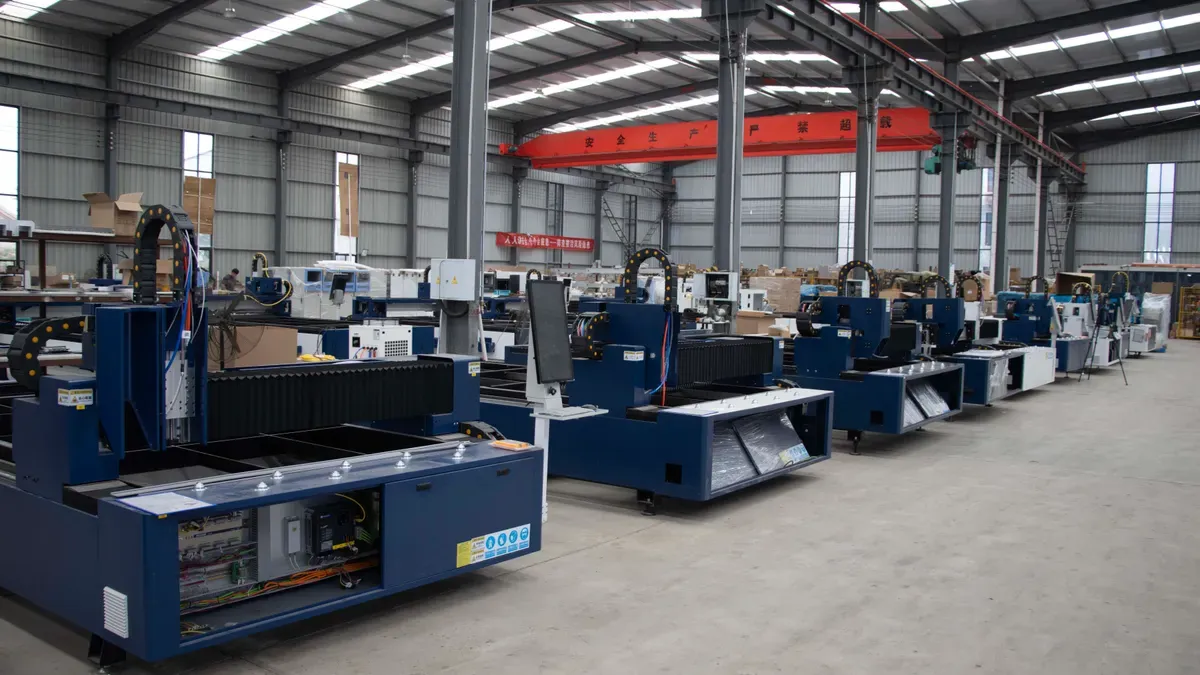
You need a full line that moves panels through every step without people doing the work by hand. A truly connected furniture production system handles cutting, edge banding, drilling, and packaging as one smooth flow. When you check a machinery partner, look at whether they offer all the equipment your operation needs. KDT provides a wide range of CNC furniture making machines for one-stop shopping, covering the whole workflow. Their product lineup includes CNC panel saws for automated cutting, smart machining centers for multi-step jobs, smart edge banding machines for edge work, CNC drilling centers for exact hole drilling, wood door processing equipment for special production, and packaging equipment for end-of-line handling.
An automated production line follows a clear order that cuts down on handling and boosts output. The process starts with material sorting, where panels are identified and sent out based on production orders. Automatic feeding systems then move panels between machines at a controlled speed, avoiding jams. CNC processing stations do precise drilling and machining on all six sides of each panel. After machining, panels go into edge banding machines automatically for clean, even edge application. Labeling systems track each part with production details for quality checks. Finally, stacking and packaging equipment moves finished parts for storage or shipping.
The clear gains of using one vendor instead of mixing machines from many suppliers are big. When you pick one partner for your whole production line, you get major benefits:
Benefit | Measured Impact |
|---|---|
Lead time reduction | 25%–40% faster delivery |
Cost reduction per unit | 15%–22% lower |
Delivery cost reduction | Up to 18% lower |
Export margin improvement | Up to 10% higher |
Out-of-stock reduction | Up to 27% fewer |
Sales conversion improvement | Up to 44% higher |
Repeat customer rate | 17% higher |
Sales from eco-aware shoppers | 21% increase |
Repeat contracts | 22% more |
Better fit with customer demand | 35% improvement |
Responsiveness to demand changes | 62% of retailers reported improvement |
These numbers show why integration matters for your profits. A mixed approach with different vendors creates compatibility problems and hidden costs. A unified system from one supplier makes sure every part works together from day one.
Software and Control Systems for Seamless Operation
Hardware alone does not make a furniture making process work well. You also need software that links every machine into one connected network. Modern production systems depend on MES and ERP integration to keep data moving smoothly between cutting, edge banding, drilling, and packaging stations. Without this digital base, even the best machines work alone, forcing workers to move data by hand and type it in again.
KDT's smart manufacturing skills show what proper integration can do. Their Italian R&D center builds advanced technology that keeps their systems competitive worldwide. This focus on software development means your automated production line gets steady upgrades in control methods and data handling. The cnc cutting center talks directly with downstream equipment, changing settings on its own based on production orders. Likewise, cnc machining centers share live status updates with the central control system, letting supervisors watch progress and spot problems right away.
For edge work, a four-side edgebanding line connects smoothly with machines before and after it. The edgebanding machine gets panel specs electronically, so there are no manual setup mistakes. Four-sided edgebanding finishes all edges in one pass, cutting handling time and improving consistency. The automated packaging line at the end of your production system receives finished parts with full tracking data, making sure orders are filled correctly.
The connection goes beyond single machines. Your cnc cutting centers, cnc drilling machines, and packaging equipment all use one shared data platform. This unified method cuts programming time, lowers errors, and gives you full visibility into your furniture production. When you check potential partners, ask about their software skills and how they handle data integration. The right furniture machinery company offers more than hardware—they deliver a complete production system that boosts efficiency and profits.
Flexibility and Scalability for Production Needs
Your furniture production operation must handle two very different demands: custom orders that change daily and steady mass production runs. A rigid line forces you to choose one or the other. The right machinery partner builds flexibility into every station so you can switch between small batches and high-volume work without losing time or money.
Custom Solutions for Medium-Scale Production
Medium-scale production requires equipment that adapts quickly without complex recalibration. You need machines that accept panels of various sizes and shapes while minimizing downtime during setup changes. Modular design delivers this capability. Your line consists of interchangeable core units—cutting stations, feeding mechanisms, edge banding modules, and packaging cells—that you configure based on your floor space and capacity targets.
This flexible layout suits medium-sized manufacturers who cannot dedicate separate lines to different product types. You arrange the system to fit your workshop dimensions rather than forcing your building to accommodate a fixed arrangement. When a custom cabinet order arrives with unusual dimensions, your automated production cell adjusts settings automatically. When a standard kitchen panel order follows, the same equipment switches back without manual reprogramming.
KDT tailors solutions to specific client needs through flexible automated production lines. Their engineers assess your current workflow and design a system that matches your production requirements precisely. Medium-scale manufacturing benefits from this approach because you pay for the capability you need today while retaining the option to expand later. The dual-order handling capability means you accept both small-batch custom furniture and large-scale mass production on the same equipment.
Scalable Systems for Large-Scale Production
Large-scale production demands a different level of automation. You cannot rely on manual material handling when output targets reach hundreds of panels per shift. Scalable systems begin with automated sheet storage and retrieval. Vacuum manipulators sort materials by color, structure, and dimensions, then distribute them into defined storage cells. From there, automatic feeders move sheets directly to cutting areas.
Your large-scale operation installs multiple panel saw centers rather than one cutting machine. Each cnc cutting center operates fully automated, with robotic vacuum manipulators handling loading and unloading. Conveyors transfer cut workpieces to the next stage without human intervention. This redundancy ensures continuous flow even when one machine requires maintenance.
CNC machining centers with automated loading take scalability further. Hydraulic loading tables with auto-lifting systems and optical sensors feed sheets into each cnc machining center automatically. Label printers and scanners load processing programs across multiple machines simultaneously, so operators supervise rather than manually program each unit.
Conveyor-based material flow connects storage, cutting, and machining stages into one continuous system. Powered conveyors eliminate manual transport between stations, maintaining high-volume output around the clock. The entire process—from storage through cutting, machining, edgebanding, and packaging—operates as a fully automated sequence.
KDT's manufacturing bases in Guangzhou and Foshan support this scalability through efficient production of standardized components. Their R&D center in Rimini, Italy, contributes European engineering expertise that keeps technology current. This global setup enables fast technical support and spare parts delivery when your expanded line needs attention.
Modular systems support future growth because standard frames and connection points allow new positions or accessories to be added without replacing existing equipment. An assembly workstation that initially required only a large open surface may later need additional shelving or component storage as your process becomes more complex. You reconfigure individual components rather than replacing the whole system.
Choose a partner whose equipment grows with your order volume. The right furniture machinery company designs your line for today's output while building in capacity for tomorrow's expansion.
Support and Service from a Furniture Machinery Company
Full-Process Support and Layout Design
A dependable furniture machinery company does more than just deliver machines. It works with you at every step of your production line journey. The right partner starts by carefully studying what you need to produce. Engineers look at your floor space, how much you want to make, and how work moves through your shop. They then create a production line layout that keeps materials and parts flowing well. This planning stops problems before they start.
The support process follows a clear order:
Smart planning of production areas with room to grow later
Choosing steady automation equipment so production keeps running
Setting up a full material management system with smart storage and good routes
Using strict quality rules with live tracking and review of past work
Regular upkeep checks with maintenance files and history records
Always improving through worker input and new technology
Your machine setup must fit your exact production needs. KDT's engineers build custom solutions based on how you produce. They handle on-site setup and testing. They train your workers through online and in-person programs. They keep giving technical help for as long as you use the equipment.
KDT's "win-win cooperation" idea drives this focus on customers. Their global service network gives fast responses across 130+ dealers. Each dealer offers local after-sales service covering setup, testing, training, and upkeep.
KDT keeps strengthening its international dealer service teams, fully putting into action the idea of "cooperation and win-win, creating value for customers."
Quality Assurance and Downtime Reduction
Quality checks should not wait until the end of your production line. Good practices put quality checks right into the work process. Workers at each station check the last step's quality before moving on. This stops small flaws from becoming big problems later, saving time and materials.
Regular upkeep greatly cuts unplanned downtime. Shops that use regular upkeep can cut downtime by 30%. They also improve planned maintenance completion rates by 40% to 60% within three months. A Computerized Maintenance Management System (CMMS) helps you track tasks and manage costs. Industry data shows 65% of companies use a CMMS for better visibility into maintenance work.
Root cause analysis makes sure you fix the real problem, not just the signs. This method cuts repeat issues that drain maintenance budgets.
KDT's reliability as a furniture machinery company is easy to check. They hold national high-tech enterprise status and rank among China's Top 500 Machinery Enterprises. Their equipment ships to over 70 countries. They hold 300+ patents. These facts show long-term dependability that keeps your line running.
Cost-Effectiveness and ROI in Production Lines
Transparent Pricing and Long-Term Savings
When you look at furniture machinery, do not just check the price tag. You must think about the total cost of ownership. That includes the starting price, upkeep, energy use, and labor. A cheaper machine may end up costing more over five years. It can break down often and need more workers to run it. KDT's maglev-driven edge bander shows how this works. Its magnetic levitation technology reduces wear on parts. That means fewer repairs and a longer machine life. You also need fewer operators for edge banding. Skilled workers can move to other jobs in your shop. The machine also wastes less material, so you get more use from your raw supplies. These savings add up over time. Paying more at the start becomes a wise choice.
The table below shows how automated production changes your costs:
Investment Factor | Traditional Setup | Automated Production Line | ROI Impact |
|---|---|---|---|
Labor Cost | Very High (10+ operators) | Low (2-3 system monitors) | Huge monthly savings |
Material Waste | 10% - 15% | 3% - 5% | Significant cost reduction |
Production Speed | Medium, prone to bottlenecks | High speed, continuous flow | 2x - 3x capacity increase |
Error & Rework | High frequency | Near zero defects | Lower customer returns |
Initial Capex | Low | High | Break-even typically in 18-24 months |
Track your return on assets to see how profitable you are. The formula is simple: ROA = (Net income / average total assets) x 100. If your net income is $50,000 and your average assets are $225,000, your ROA is 22%. KDT's ranking as a Top 500 Machinery Enterprise shows the industry trusts them. Their equipment ships to over 70 countries. That track record proves reliability and protects your investment.
Energy Efficiency and Operational Efficiency
Energy costs hit your bottom line directly. Figure out your energy cost per unit by dividing total energy costs by units made. For example, $1,700 in energy costs for 1,000 units equals $1.70 per unit. Smart production workflows use energy wisely. They streamline operations and cut unnecessary power use. AI-driven measures lower CO₂ emissions and support cleaner production.
Automated systems can adjust lighting and temperature based on occupancy, reducing energy consumption and operational costs.
Watch Overall Equipment Effectiveness (OEE) to measure efficiency. World-class OEE is 85% or higher. Most operations run between 60-85%. Below 40% means serious problems. OEE combines availability, performance, and quality. Improving OEE by just 5% makes a big difference in your ROI. Your automated packaging line helps with this efficiency. It handles finished parts without manual work. That cuts errors and speeds up order fulfillment.
A well-designed production line gives measurable returns. Higher upfront costs pay off through less downtime, less waste, and more output. Choose a partner whose equipment supports large-scale production while staying efficient. The right machinery company helps you break even within two years and stay profitable after that.
You now have four pillars to judge any furniture machinery company: integration, flexibility, support, and cost. The best partner gives you complete solutions, not just machines. They build automated production lines that work for both small batches and large runs. Use these points to make your own checklist. Ask for detailed proposals that explain processing needs, production goals, and how the line fits your factory. Visit manufacturing sites to see integrated systems working with real materials. KDT's application displays show how cutting, edge banding, drilling, and packaging connect smoothly. A strong partner cuts labor by 30–50% and removes integration risks. Pick someone who can grow with you.
FAQ
How do I know if a furniture machinery company offers true integration?
Ask to see their software run several machines at once. A real integrated system shares data between the cnc machining center, edgebanding machine, and cnc drilling machines without anyone typing it in again. Ask for reference sites where you can watch the full production line working in real time.
What is the typical payback period for an automated production line?
Most manufacturers get their money back within 18 to 24 months. Your exact timeline depends on labor savings, less material waste, and more output. Figure out your current per-unit costs, then compare them with projected numbers from your machinery supplier. Ask for a detailed ROI analysis before you commit.
Can I expand my automated line later?
Yes, modular designs support future growth. Standard connection points let you add stations without replacing existing equipment. Choose a furniture machinery company that offers scalable setups. Make sure your first layout leaves room for extra conveyors, storage, or processing units when your order volume goes up.
Do I need separate operators for each machine?
No. A fully integrated line needs only two to three system monitors. Automated feeding, conveyor transfer, and robotic handling remove manual work between stations. Your skilled workers can focus on quality checks and upkeep instead of moving materials by hand.
What training does the machinery provider offer?
Most good suppliers include operator training in their package. KDT offers online and in-person programs covering setup, daily operation, and basic troubleshooting. Make sure training continues after installation and that spare parts stay available locally. This support cuts downtime and protects your investment.