
 English
 Greek
Greek Spanish
 Ukrainian
 Turkish
 Swedish
 Portuguese
 Russian
 German
 Bulgarian
 Arabic
 O'zbekcha
 Қазақ
ҚазақCNC machining center suitable for high-volume cabinet manufacturing
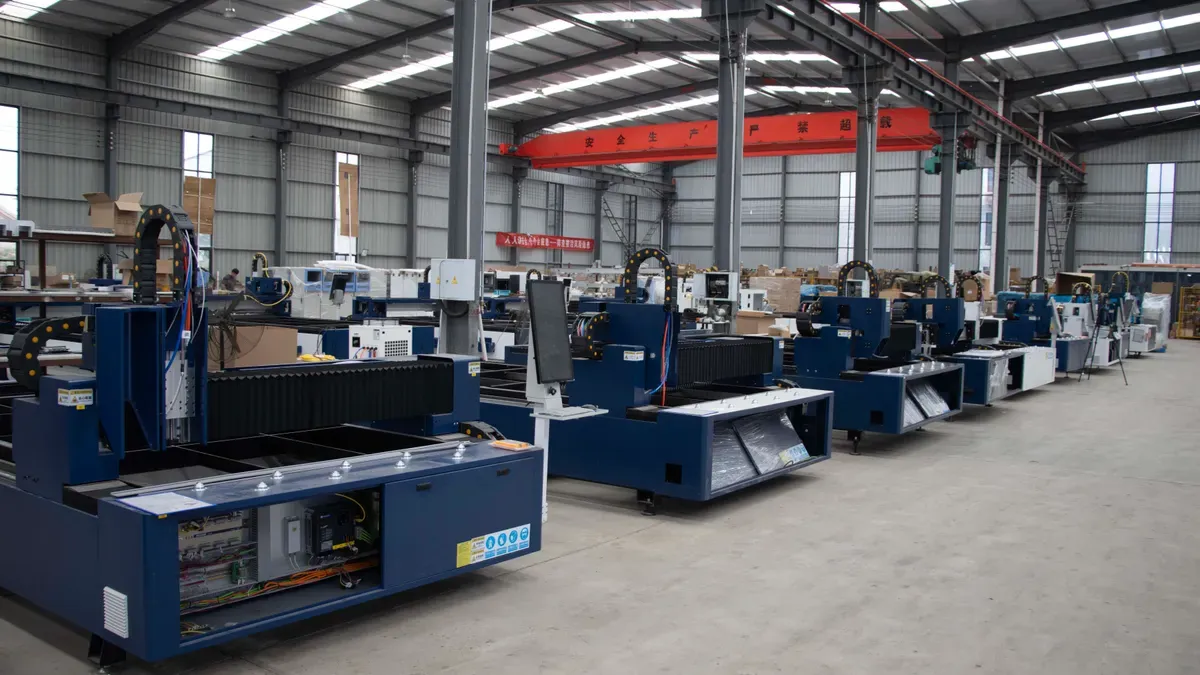
For high-volume cabinet production, two CNC machining center types work great: the nested router and the point-to-point machining center. These CNC machines are fast and accurate for making many cabinets. Using a CNC panel saw with a machining center is common for large-scale cabinet work. Data shows an ATC nesting CNC router raises daily cabinet output from 4–6 to 15–22 cabinets. This modern cabinet manufacturing solution helps make cabinets the same way every time. The two are different CNC routers. Making cabinets needs precision. The best choice depends on how many cabinets you make, your budget, and the material. Cabinet efficiency gets better. Features like high-speed spindles and vacuum tables improve performance. Modern cabinet production needs the right equipment. A point-to-point machining center is another option. Later sections will look at how to pick the right tools for CNC cabinet making.
Key Takeaways
CNC machining centers raise daily cabinet output from 4-6 to 15-22 cabinets.
Spindles that spin very fast and automatic tool changers make sure cutting is quick, accurate, and reliable.
Vacuum tables keep sheets flat. This stops them from moving and causing mistakes during high-speed routing.
Nested-based routers cut all parts from a full sheet in one cycle. This saves time and material.
Point-to-point machining centers are great at drilling the same holes over and over in standard cabinet parts.
Key Features of a CNC Machining Center
A high-performance cnc machining center for cabinet production puts together several key parts. Three things show how well it handles high-volume runs: a high-speed spindle, automatic tool changers and a vacuum table, and a large work bed. These features work as a team to give speed, precision, and repeatability for modern cnc cabinet making. Without them, a shop cannot keep up the throughput and consistency it needs to compete.
High-Speed Spindles and ATC
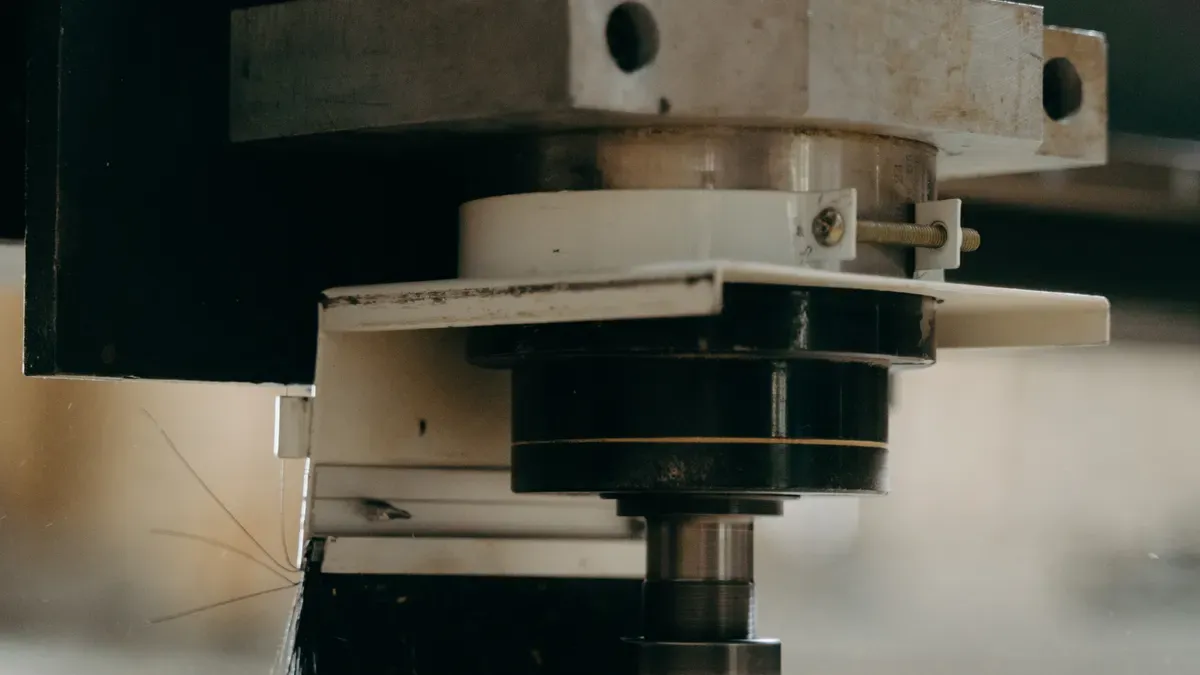
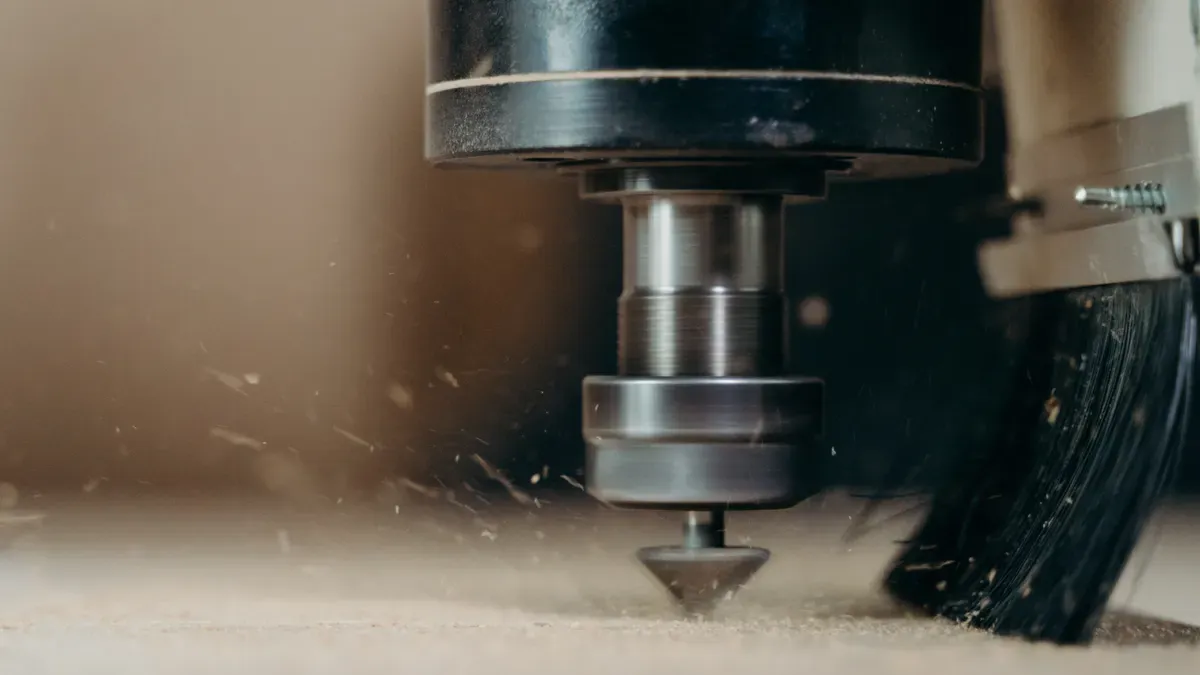
The spindle is the heart of the machine. When cutting mdf and plywood, a spindle must run at high RPM to make clean edges without burning the material. Cabinet makers usually pick spindles rated between 12,000 and 24,000 RPM. This speed range allows efficient roughing and finishing passes on nested cabinet parts. A strong spindle cuts cycle time, which directly raises daily output.
Automatic tool changers matter just as much. These devices hold many tools and swap them on their own between operations. The capacity of the tool changer decides how many different tools cnc routers can use without an operator stepping in. Common setups include:
Static racks with 6 to 12 tool positions
Carousel ATCs with 8 to 20 tools
Chain magazines that hold 30 or more tools
For a 4x8 cnc router, a 12-tool carousel is typical. Industrial 5x10 models may use dual rotary ATCs with two 12-tool drums, for a total of 24 tools. With automatic tool changers, the cnc machines can switch from a drill bit to a router bit to a chamfer tool in seconds. This automation removes manual tool changes, cuts human error, and boosts overall repeatability. A high-speed spindle plus automatic tool changers make sure every cabinet part meets precise tolerances, cycle after cycle.
Vacuum Tables and Bed Size
A vacuum hold-down table is a must for keeping sheet goods flat during routing. For high-speed operations, the vacuum system must pull hard enough to stop parts from shifting. Industry experts suggest a vacuum pump of at least 10 horsepower for a standard 4x8 foot table. Still, the exact need depends on table size, material porosity, and daily use. As one manufacturer advises:
This sizing chart is for estimating purposes only, and you should consult a trained Becker Representative to match the correct pump to your specific table. All calculations are based on sea level applications.
Operators often pick pumps with 15 HP or 20 HP for larger tables or tougher materials. The chart below compares vacuum horsepower levels used by different contributors on various table sizes.
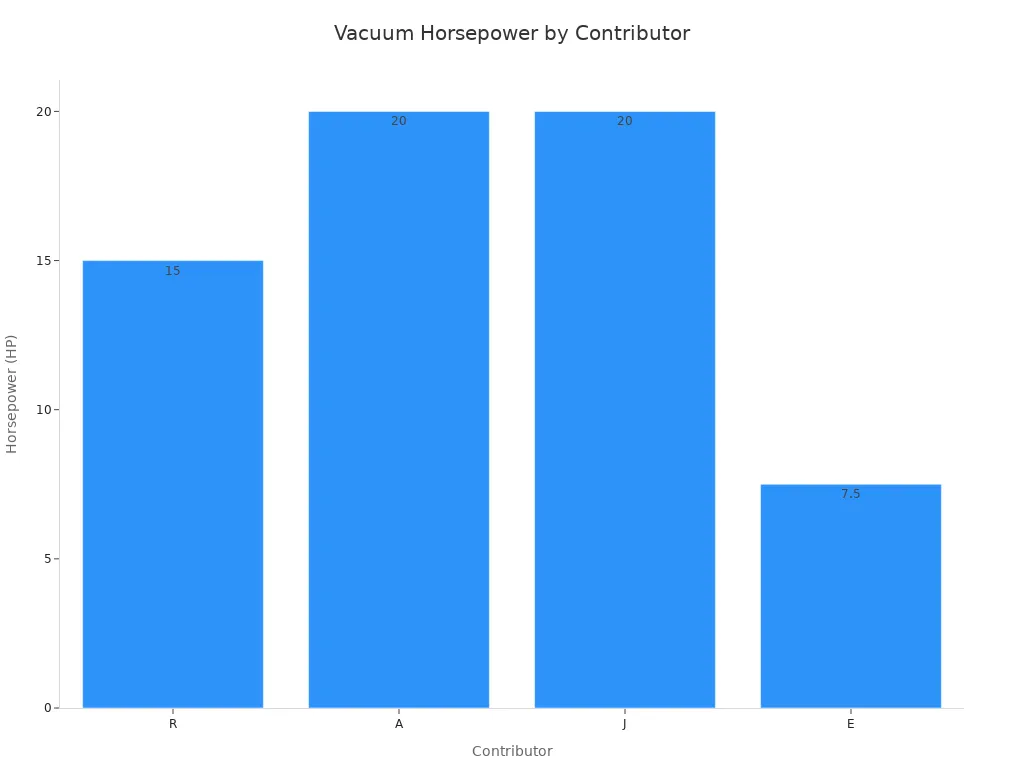
Good hold-down stops cabinet parts from breaking loose during fast moves. This reliability is key when cutting nested pieces from a full sheet. Without enough vacuum, the tool could ruin a cabinet part or damage the machine.
The bed size must match the standard sheet sizes used in cabinet making. Most plywood, MDF, and melamine sheets measure 4 feet by 8 feet (1220 × 2440 mm). A cnc machine with a working area of 1300 × 2500 mm fits these sheets without overhang. This size is seen as the industry golden standard for small to medium-sized cabinet shops. Some makers offer larger beds, like 5x10 or 6x12 feet, for oversized boards or higher throughput. For typical production runs, the 4x8 format lets the operator lay a full sheet onto the vacuum table and process a whole cabinet nest in one cycle. This efficiency cuts material handling and speeds up production.
Together, automatic tool changers and a vacuum table make a strong combo for high-volume production. These features let cnc machines make cabinet parts with steady quality and little downtime. For any shop that wants to scale up, investing in a cnc machining center with these abilities is a smart move.
Benefits for Cabinet Production
Productivity and Consistency
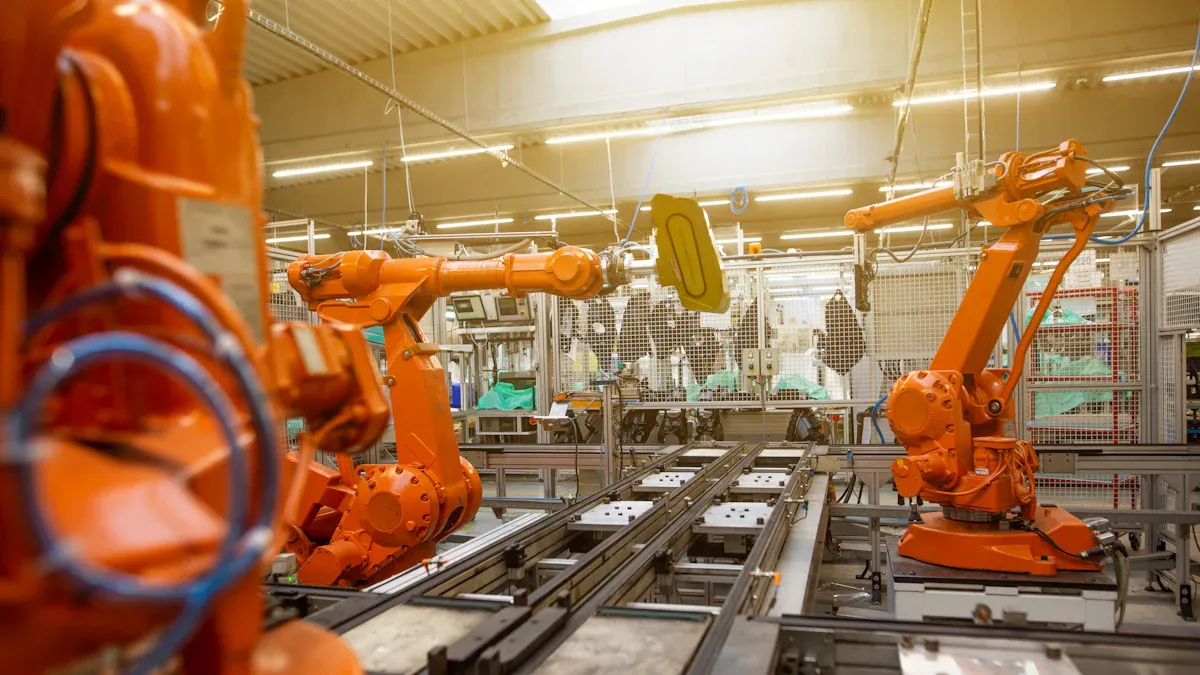
A CNC router does the same work a skilled woodworker does, but it never gets tired or makes errors. The machine follows the exact same path every time. This cuts out human mistakes. As one article says, "CNC machines are capable of producing identical products in large quantities without any variation." Being precise and repeatable gives busy cabinet shops a big advantage.
The result is a big increase in output. A shop can go from making just a few cabinet parts a day to many more. Every part comes out exactly the same. This holds true for large production runs. The machine does not slow down or lose accuracy. This steady dependability is the base of modern cabinet making.
Labor and Material Savings
CNC automation lowers labor costs. One person can run a machine that does the work of several workers. The machine also wastes less material by using smart nesting. Nesting software puts parts together like puzzle pieces. This uses more of each sheet. The table below shows the difference between two common ways.
Nesting Method | Average Yield | Material Waste |
|---|---|---|
Rectangular (Block) Nesting | 70% – 80% | 20% – 30% |
True-Shape Nesting | 85% – 95%+ | 5% – 15% or less |
As one source notes, "Utilizing as much of the sheet for cut parts as possible minimizes the portion of it that will ultimately go to waste... While we can't eliminate all waste, we can reduce it dramatically by putting nesting to work." This saving matters a lot for any cabinet company.
KDT offers automated production lines that grow with a business. These lines combine CNC machines for making cabinets with software for precision, speed, and flexibility. They help big cabinet factories and high‑production shops cut waste and labor costs. This method supports large‑scale cabinet production and CNC cabinet making. The amount of work a shop can handle goes up without a matching increase in costs.
Types of CNC Machines for Making Cabinets
Cabinet makers use two main cnc machines for making cabinets: the nested-based CNC router and the point-to-point CNC machining center. Each machine works best for different production needs. Knowing these differences helps shops pick the right equipment. The choice depends on part shape, material handling, and the throughput you want for each cabinet line.
Nested-Based CNC Router
A nested-based CNC router cuts all cabinet parts from a full sheet in one programmed run. This method cuts down manual layout and replaces a separate panel saw in lower-volume work. The machine processes a standard four-foot by eight-foot sheet through the whole nest in a single cycle.
Metric | Value |
|---|---|
Typical throughput | 8–15 sheets per hour |
Cycle time per sheet | 4–7 minutes |
Equivalent throughput from cycle time | approximately 8.5–15 sheets per hour |
The production bed size for commercial cabinetry measures at least 49 inches by 97 inches. This footprint holds a full sheet for cabinet carcasses, doors, and shelving. Some makers offer larger setups up to five feet by twelve feet for higher throughput.
Nesting software integration reduces material waste by up to 30 percent and increases throughput by 40 percent compared to traditional manufacturing approaches.
The nested-based method works great for custom shops making varied cabinets, curved parts, and irregular cutouts. It handles frequent design changes without templates. This nested-based manufacturing method makes cabinet production smoother and is a big step forward in cnc cabinet making.
A key limitation involves edge boring. Nested-based routing cannot edge bore on the machine. If a cabinet needs edge drilling for joinery, a separate boring machine must add to the cnc router. This factor matters for shops using traditional fastening methods.
Still, the nested-based approach cuts down part handling since cutting and machining happen in one cycle. Operators manage sheet loading and part removal. The machine uses automatic tool changers to swap bits for drilling, grooving, and cutting operations.
Point-to-Point Machining Center
A point-to-point machining center processes pre-cut panels from an upstream beam saw. This cnc machine for making cabinets excels at repeated drilling and boring on standard cabinet parts. It processes individual panels against clear reference positions.
Multi-spindle drilling blocks drill several holes in one stroke. This ability makes the machine faster for repeated cabinet-panel drilling than a nested-based router. It drills dowel holes, cam-lock bores, hinge cups, and shelf-pin holes with excellent repeatability over long runs.
Point-to-point machines suit high-volume production of standard items with many similar parts. A factory producing standard kitchen cabinets from cut-to-size melamine panels benefits from this approach. Parts cut in stacks machine one after another using the same program file.
A key advantage involves side machining. These cnc machines for making cabinets can machine on the sides of each part for cam and dowel arrangements. Edge drilling capability makes them ideal for traditional cabinet joinery. The organized infeed and outfeed of individual panels creates a streamlined workflow.
Performance Dimension | Nested-Based CNC Router | Point-to-Point Machining Center |
|---|---|---|
Best-fit production | Custom shops, varied cabinets, irregular cutouts | Standard kitchen cabinets from cut-to-size melamine |
Cutting approach | Cuts components from full sheets | Requires pre-cut panels from beam saw |
Drilling efficiency | Slower for repetitive patterns | Multi-spindle block drills multiple holes per stroke |
Edge machining | Cannot edge bore | Edge drilling for cam and dowel |
Material handling | Full-sheet loading and part removal | Individual panel processing |
Some larger plants need both machine types. CNC routers handle shaped and nested work while point-to-point machines provide fast panel drilling. The best investment removes the next bottleneck. KDT offers a comprehensive range including CNC machining centers and flexible automated lines for modern cabinet production. Both cnc machines deliver precision for cabinet manufacturing. The choice between router flexibility and point-to-point speed becomes a practical decision when the production route is clear.
Choosing the Right Machine
Picking the right equipment means you must look closely at several things. A cabinet shop has to match what the machine can do with the work it actually has. The wrong pick causes slow spots, wasted capacity, or money spent for nothing.
Production Volume and Materials
How many cabinets a shop makes each day decides which cnc machining center it needs. A busy cabinet factory that makes hundreds of cabinet parts per shift needs a different machine than a small custom cabinet shop. For high production volume, a nested‑based cnc router cuts full sheets in one cycle. The machine repeats the same path, so every cabinet panel matches the next one. The kind of material also guides the decision. Shops that mostly work with melamine, MDF, or plywood need cnc machines with enough spindle power and steady vacuum hold‑down. Some operations use cnc routers for specialty parts next to the main line. Dense materials like hardwood need stronger spindles and rigid frames. A cabinet production line gains from automatic tool changers that swap between drill bits, router bits, and chamfer tools without an operator stepping in. This feature keeps operations running smoothly through long production runs.
Budget, Space, and Support
A cabinet shop must weigh the investment cost against the expected return. A high‑end cnc cabinet making solution costs more upfront but pays back faster through labor savings and less waste. Floor space matters just as much. Standard 4×8 cnc machines need a clear footprint plus room for sheet loading, part removal, and operator access. Larger operations may need more than one unit or a full automated line.
Software compatibility is still a key thing to consider. The design software must work smoothly with the machine control software. Without proper integration, the shop wastes time on file conversion and fixing problems. Support after the purchase decides long‑term success. A reliable manufacturer provides training, technical support, and spare parts availability. KDT offers global support and keeps an Italian R&D center that develops advanced manufacturing technology. This mix of engineering expertise and worldwide service helps cabinet producers select, install, and maintain the right equipment.
A nested-based cnc router or a point-to-point cnc machining center works best for making many cabinets. The right choice depends on what you need. High-speed spindles, automatic tool changers, and vacuum tables give speed and precision for each cabinet. These features cut labor costs and material waste. Shops should think about production volume, budget, and floor space before buying. A cabinet maker must also check software compatibility and support. KDT is a trusted global leader in intelligent woodworking manufacturing. Their cnc machines help cabinet builders around the world. For reliable equipment, ask a supplier or request a demo. A test run shows how each cabinet part meets exact tolerances.
FAQ
What makes a nested-based CNC router different from a point-to-point machining center?
A nested-based CNC router cuts all cabinet parts from a full sheet in one cycle. A point-to-point machining center works on pre-cut panels from a beam saw. The nested method is great for custom cabinet work with many shapes. The point-to-point method is best for drilling many holes in standard parts, over and over.
What spindle speed range works for cabinet production?
Cabinet makers usually choose spindles rated between 12,000 and 24,000 RPM. This speed range gives clean edges on MDF and plywood without burning the material. A high-speed spindle cuts cycle time and directly boosts daily output.
How does a vacuum table hold sheet goods during routing?
A vacuum hold-down system pulls the sheet flat against the table surface. Industry experts suggest a pump of at least 10 horsepower for a standard 4x8 foot table. Strong vacuum stops parts from shifting during high-speed cutting.
How much does a CNC machining center raise daily output?
Data shows an ATC nesting machine raises daily cabinet output from 4-6 to 15-22 cabinets. This gain comes from automation and shorter cycle times. Production grows without adding extra labor.