
 English
How to Choose the Right Manufacturer for Automated Panel Cutting Equipment
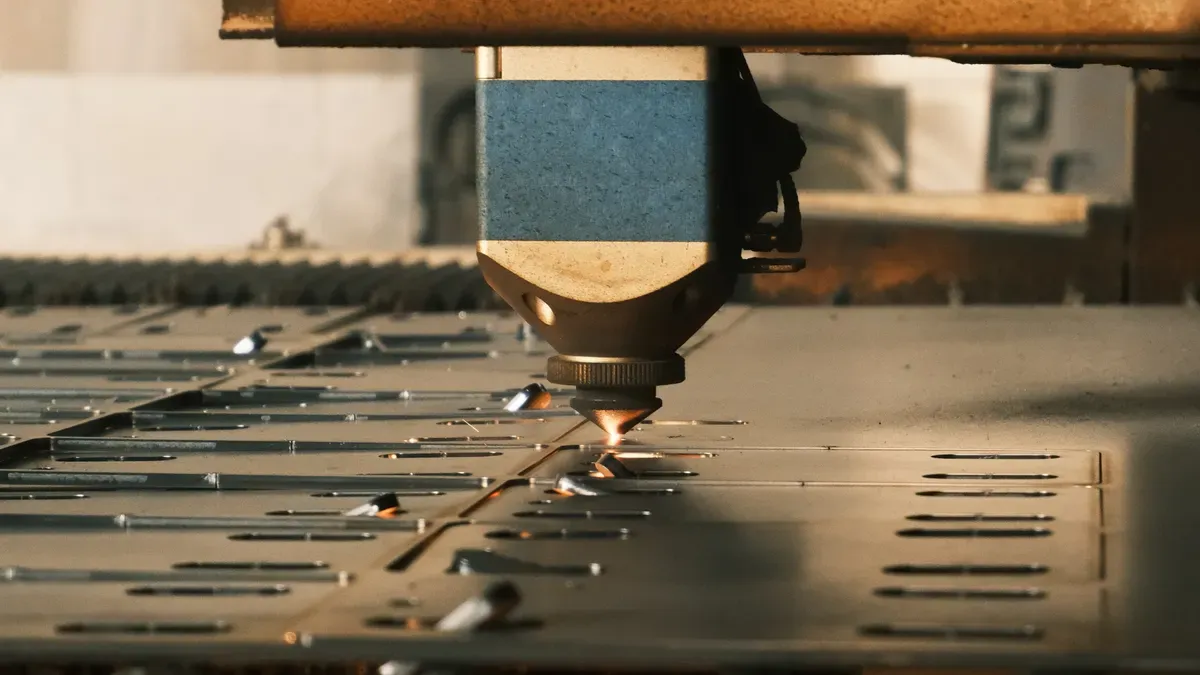
Each type of manufacturer gives different benefits for automated cutting of panels: specialized panel saw manufacturers, general woodworking machinery manufacturers, and custom automation solution providers. The right choice depends on production volume, budget, and integration with existing systems. This guide helps readers navigate panel saw options. The global panel saw market is projected to grow at 4.5% CAGR from 2026 to 2035, signaling rising demand for automated cutting of panels. Specialized panel saw manufacturers excel in precision and speed. General manufacturers provide broader product ranges. Custom providers tailor solutions for unique panel requirements. Understanding these differences ensures a wise investment in panel saw equipment.
Key Takeaways
Pick the kind of manufacturer that fits your production amount and budget.
Think about the full cost of owning it, not just the price you pay to buy it.
Check that the software works with the factory systems you already have.
Make a checklist to compare what suppliers offer and the feedback from their past clients.
Focus on cutting accuracy and automation to cut down on wasted material.
Types of Manufacturers for Panel Saws
The first step in picking equipment is figuring out which type of manufacturer fits your production needs. There are three main groups: specialized panel saw manufacturers, general woodworking machinery manufacturers, and custom automation providers. Each one gives you different benefits for panel processing work.
Specialized Panel Saw Manufacturers
Specialized manufacturers put all their research and development into panel saw technology. A specialized manufacturer builds every panel saw to cut large panels with outstanding precision. Their machines handle tough sheet material processing jobs. Factories that care most about cutting accuracy and efficiency often pick this type of manufacturer. The deep expertise of these companies creates equipment built for specific cutting tasks.
General Woodworking Machinery Manufacturers
General manufacturers sell a wide range of equipment that includes panel saws along with other woodworking machines. Biesse and Homag are good examples of this group. Biesse Group, an Italian leader in woodworking machinery, offers advanced solutions for automated production. Their products include the Biesse Rover, a line of CNC machining centers for woodworking. Homag provides a large lineup of saws for different production sizes. The SAWTEQ S-320 flexTec works as a revolutionary cutting cell for customized cutting on a large scale. The SAWTEQ S-300 and 400 Series flexTec Saws allow fully automated batch-size-1 production for companies with varied orders. The SAWTEQ S-100 is the smallest Homag panel dividing saw, a single-panel beam saw. These manufacturers fit many factory sizes because their product ranges go from entry-level to high-volume solutions.
Manufacturer | Key Strength | Ideal Application | Tech Highlight |
|---|---|---|---|
HOMAG | Full line automation | High-volume mass production | intelliGuide operator assistance |
Biesse | System integration | Integrated factory lines | Twin Pusher system |
Custom Automation and CNC Panel Saw Providers
Custom providers build special solutions for unique cutting needs. Some custom providers make specific saws such as curved acoustical panel saws. Others offer automated vertical panel saw options. These companies serve niche applications that standard equipment cannot handle. A custom vertical panel saw or horizontal panel saw may include features made for unusual panel shapes or materials. This type of manufacturer works best when production demands fall outside normal limits. The trade-off is higher engineering costs and longer lead times compared to ready-made solutions.
Picking the right type of manufacturer requires an honest look at production volume, budget, and technical needs. A reliable panel saw manufacturer will match their abilities to your specific operational needs.
Comparing Manufacturer Strengths and Weaknesses
Each type of manufacturer brings different good points and bad points to panel processing work. Knowing these trade-offs helps buyers pick a panel saw that fits their production goals. The comparison below looks at automation level, daily output, and cutting accuracy for each group.
Pros and Cons of Specialized Manufacturers
Specialized manufacturers focus only on panel saw technology. They spend a lot on research and development to improve cutting performance. A CNC panel saw from specialized manufacturers uses computer-controlled systems for high repeatability and cutting accuracy. Operators type in exact measurements, and the machine follows them without mistakes. This advanced technology keeps cutting quality steady across large production runs. The precision cuts down scrap material and boosts efficiency. CNC automation can reduce material waste by up to 20% and raise productivity by about 30%. The CNC system makes precise cuts with very little human involvement.
The main downsides involve cost and flexibility. Specialized equipment often costs more. These machines work best for standard panel processing tasks. Non-standard projects or unusual materials may need extra engineering. A specialized panel saw may limit choices for factories with many different product lines.
Pros and Cons of General and Custom Manufacturers
General woodworking machinery manufacturers offer wider product ranges. Companies like Biesse and Homag provide tiered panel saw solutions from entry-level to premium systems. Their established service networks and local parts infrastructure cut down machine downtime. Many offer training programs and digital connectivity for predictive maintenance. Investing in local service builds trust and strengthens after-sales support. A general panel saw fits a factory that needs one provider for multiple equipment types. These manufacturers serve diverse customer groups with different budgets.
Custom automation providers design solutions for unique cutting needs. A vertical panel saw or horizontal panel saw from a custom builder fits non-standard board shapes or materials. These tailored machines solve problems that standard equipment cannot handle. The trade-off includes higher engineering costs and longer lead times. Custom builders create unique solutions for specific production needs.
The table below sums up key differences:
Factor | Specialized | General | Custom |
|---|---|---|---|
Automation level | High | Medium to high | Variable |
Daily output capacity | Very high | High | Tailored |
Operator skill required | Moderate | Moderate to high | High |
Board material flexibility | Standard materials | Broad range | Unlimited |
Cutting precision | Superior | Good | Application-specific |
Typical application | High-volume production | Mixed production | Unique projects |
Choosing the right equipment depends on production goals and budget priorities.
Key Factors for Selecting a Reliable Panel Saw Manufacturer
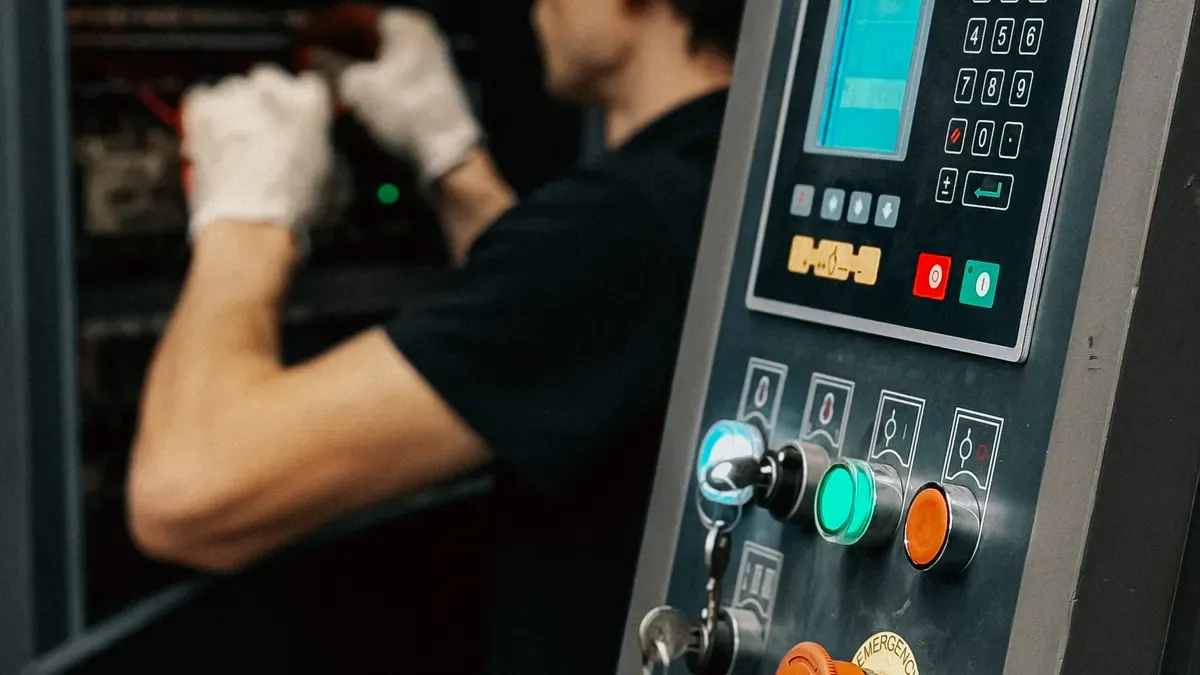
Smart buyers look past the price when they check out a reliable panel saw manufacturer. They study how well the equipment fits their production needs, how easily it hooks up to systems they already have, and how much help the supplier gives over the machine's life. These things shape the real value of any panel saw purchase.
Evaluating Budget, Production Volume, and Technical Support
High-volume manufacturers put automation, steady production, and reliability first. A factory that runs thousands of panels every day can't afford downtime or cuts that don't match. These operations need a cnc panel saw that gives the same results shift after shift. The automation built into modern equipment keeps output steady and lowers the need for operator skill.
Budget talks should cover the total cost of ownership, not just the purchase price. Long-term value depends on how easy maintenance is, whether spare parts are available, technical support, and system reliability. Less downtime often brings more economic benefit than a low initial price. Buyers should set daily output targets, material types, panel dimensions, and product variety before they compare equipment. They must also think about future growth, since a machine that only meets current demand can become a bottleneck as orders grow.
Technical support plays a central role in this math. A supplier with strong service capability keeps a panel saw running at peak cutting performance for years. Factories that depend on panel processing for daily revenue need quick access to parts and trained technicians. The table below outlines the most critical evaluation criteria for selecting a reliable panel saw manufacturer.
Evaluation Criterion | Why It Matters |
|---|---|
Industry experience | Manufacturers with more than ten years of experience are more likely to provide reliable products. |
CE certification | Indicates compliance with European safety and performance standards. |
Technology and innovation | About 70% of leading suppliers upgraded machines in the last five years. |
Customer feedback | User experiences can reveal issues not evident on supplier websites. |
Warranty | A strong warranty usually signals manufacturer confidence in product quality. |
After-sales support | Long-term service capability is important because expensive machines require dependable support. |
Material quality | Robust steel frames and precision-engineered components support durability and accuracy. |
Ease of use | User-friendly interfaces and digital displays improve adjustment, precision, and productivity. |
Assessing Software Integration and After-Sales Service
Software compatibility with systems you already have decides how smoothly a new panel saw fits into the production floor. A machine that can't talk to the factory's job control software creates extra work and raises the risk of errors. Industry 4.0 integration allows real-time monitoring of cutting cycles and machine health. This connectivity supports optimized cutting cycles and helps managers spot problems before they cause delays.
Global support infrastructure separates strong suppliers from weak ones. A supplier with a global footprint can provide spare parts, software updates, and on-site service without long waits. Buyers should evaluate the supplier's manufacturing experience, technical service capability, software support, and future upgrade potential before purchasing. These factors shape equipment performance across its entire operational life. A vertical panel saw or horizontal panel saw from a well-supported brand will deliver better long-term value than a cheaper machine with no service network. The right partner helps a factory achieve consistent cutting accuracy and steady efficiency for years.
A Simple Checklist for Your Cutting Equipment Search
A clear checklist helps you compare suppliers instead of just searching blindly. Buyers who ask good questions and spot warning signs can avoid expensive mistakes with panel processing equipment.
Questions to Ask Possible Suppliers
Begin with cutting capacity. Buyers should ask what is the largest panel size and thickness the machine can handle. A supplier who offers a vertical panel saw or horizontal panel saw must clearly state these limits. The SAWTEQ S-300 series provides a benchmark for comparing automation options between models.
Automation features are important too. Does the panel saw have automatic plunge, saw, and return functions? What feed speed range does it support? A cnc panel saw with optimization software helps cut large panels with less waste. Buyers should also ask about software integration. Can the machine read common design formats from their current CAD/CAM stack? How well does it connect with MES and barcode systems?
References from similar manufacturers give real proof. Buyers should contact existing customers in their target market. These talks show how a panel saw performs under daily production pressure. Questions about after-sales responsiveness help remove low-cost options that lack long-term support.
Warning Signs to Avoid During the Selection Process
Several warning signs point to an unreliable supplier. A manufacturer who cannot give a live demo of the equipment raises concern right away. A test run video showing the machine cutting real material, such as MDF, lets buyers see cut quality and vibration. Any hesitation here points to assembly problems.
Missing paperwork is another warning sign. A factory inspection report must list measured values for spindle radial runout and guide rail straightness. Suppliers who cannot share component brand certificates may use unbranded parts. Lack of clear pricing also signals trouble. A supplier with no local service support leaves a production line open to long stoppages.
Buyers should check cutting accuracy claims with real data. Vague promises about precision mean little without documented test results. A reliable type of manufacturer gives clear answers, real references, and full transparency throughout the selection process.
Specialized, general, and custom makers each meet different production needs. Specialized panel saw builders focus on getting cuts just right. General panel saw suppliers sell many types of machines. Custom panel saw makers design one-of-a-kind solutions. Buyers should first look at their own production needs. The table and checklist help pick possible partners. A good panel saw must match panel thickness, accuracy needs, and daily output. Buyers should think about total cost, including upkeep and training for workers. They should check after-sales support and safety features. Contact several makers for prices and advice. This step helps the right panel saw give good cutting performance for any panel processing work.
FAQ
What makes a panel saw manufacturer reliable?
A reliable panel saw manufacturer has proven technology and strong support. Brands with industry experience and global service networks give better long-term value. Buyers should check certifications and customer references.
How is a specialized panel saw manufacturer different from a general one?
Specialized panel saw manufacturers focus on advanced saw technology. They give higher precision for high-volume production. General manufacturers offer broader product ranges but may lack deep knowledge in cutting performance.
Why does cutting accuracy matter in a CNC panel saw?
Cutting accuracy cuts material waste and improves product quality. A CNC panel saw with tight tolerances gives steady results across large runs. This precision lowers scrap costs and boosts efficiency.
How does automation improve a CNC panel saw operation?
Automation in a CNC panel saw cuts manual handling and speeds up production. It keeps panel processing steady and efficient. Buyers should prioritize features like automatic loading of panels.
What panel features matter most in a panel saw?
Panel dimensions and material thickness decide a panel saw's suitability. Buyers should match the machine's capacity to their typical panels. A panel saw with the right range improves throughput.