
 English
 Greek
Greek Spanish
 Ukrainian
 Turkish
 Swedish
 Portuguese
 Russian
 German
 Bulgarian
 Arabic
 O'zbekcha
 Қазақ
ҚазақWhat kind of machinery manufacturer should you work with to automate cabinet production?
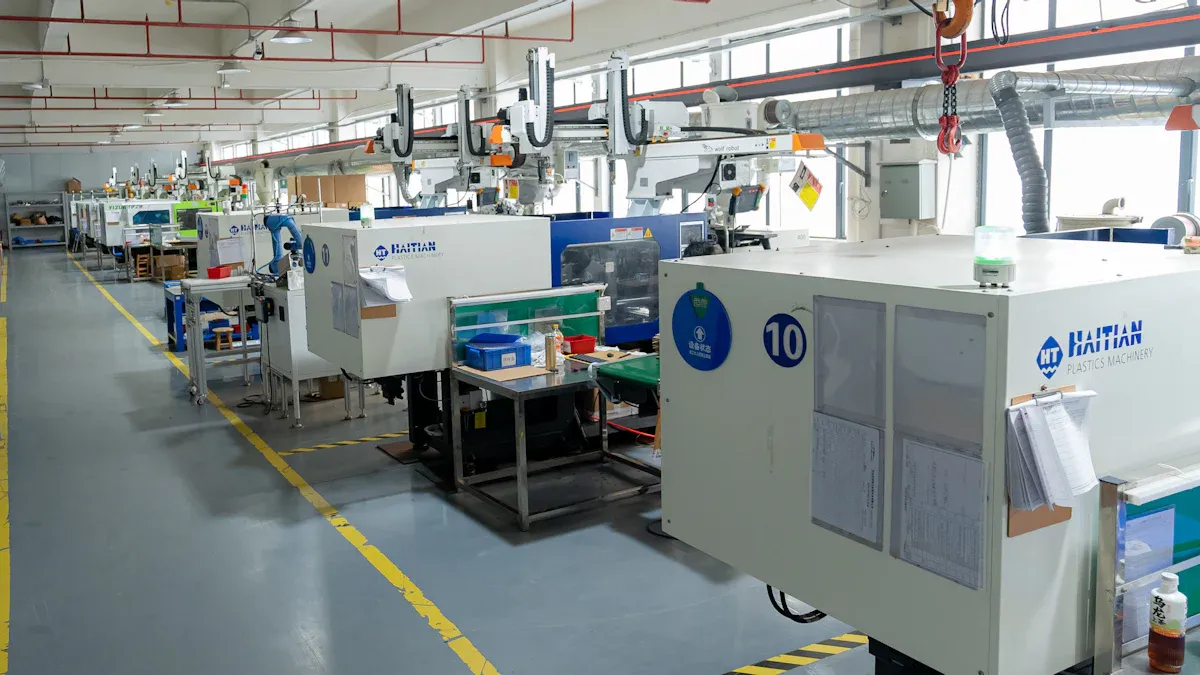
Your cabinet shop faces constant pressure. Labor shortages put stress on your team. Material costs keep going up. Customers want faster turnaround times. You need a solution that tackles these problems directly.
How do you pick the right machinery partner to automate cabinet production? This choice is more than just buying equipment. The right partner provides hardware, software setup, process know-how, and ongoing support. Cabinet makers must look at technology, customization, cost, and service.
Automation changes how cabinets are made. A modern CNC system cuts down on mistakes and increases output. Cabinet making becomes steady and efficient. The best manufacturers offer flexible solutions that can expand with your business. This article gives you a clear guide for checking potential partners, helping you make a smart investment choice.
Key Takeaways
Pick a partner that provides full systems, not only one machine.
Look for flexible solutions that can grow with your business.
Check how good the after-sales service is and if spare parts are easy to get.
Invest in training for your team to get the most out of your machines.
Think about the full cost of owning the machine, not only what you pay to buy it.
Core Technologies for Modern Cabinet Production
Automation is the main support for making cabinets well. The heart of automation is a machine's ability to do exact, repeated jobs with little help from people. A top maker like KDT offers many machines, from edge banders to machining centers, that form the main support of a modern production line. When you check this equipment, start with the quality of the machine's build and how smart the control software is.
Evaluating CNC Machining Centers
A flexible CNC router is a must for making cabinets. You need to look at spindle power, how fast tools change, and how stiff the machine frame is. These things directly affect how accurate and how long-lasting the machine is. A stiff frame cuts down shaking, which makes cuts better and makes tools last longer. The control software decides how easy it is for your workers to set up parts and manage production runs.
How close a machine can cut matters a lot in cabinet making. Different jobs need different levels of exactness. The table below shows the usual exactness you should expect:
Application | Typical Tolerance | Impact on Cycle Time |
|---|---|---|
Structural parts (cabinet frames) | ±0.1–0.2 mm | Standard speed |
Precision components (cabinet hardware mounts) | ±0.025–0.05 mm | 20–30% slower |
High-precision (specialty cabinet features) | ±0.005–0.01 mm | 40–60% slower |
Standards like ISO 22081:2021 and ASME Y14.5 make sure all machines use the same benchmarks. You should also check positioning accuracy, repeatability, geometric accuracy, thermal stability, and cutting accuracy. These details decide how steadily your machine makes the same cabinet parts over long production runs.
For tricky cabinet parts, an atc cnc router becomes very useful. An atc cnc woodworking machine holds many tools and changes them by itself. This skill cuts down setup time and boosts output. With an atc cnc router, you can run jobs without a person watching, freeing skilled workers for other tasks. Many shops pick an industrial cnc router with a big tool magazine and vacuum table for nested-based manufacturing. These cnc routers handle drilling, routing, and cutting jobs without a person stepping in. Atc cnc routers also support robotic cabinet manufacturing workflows, where automated material handling feeds parts straight into the machine.
The Role of Panel Saws and Edge Banders
A full automation setup includes precision panel saws for cutting and edge banders for finishing. Panel saws decide how accurate your first cuts are. KDT's magnetic levitation panel saw is a big jump in cutting speed and accuracy, cutting down cycle times a lot. This new idea uses magnetic levitation technology to move the saw carriage, getting rid of mechanical wear and allowing faster, cleaner cuts.
Edge banders put the finishing tape on cabinet panels. The adhesive and tape material you pick affects how strong the final bond is. The table below compares your choices:
Specification | Strongest Option | Supporting Detail |
|---|---|---|
Adhesive type | PUR (Polyurethane Reactive) hot melt | Undergoes irreversible chemical reaction with moisture, creating extremely strong bond; exceptional heat and chemical resistance; nearly invisible glue line |
Alternative adhesive | Laser edge banding (functional polymer layer) | Laser melts polymer layer for seamless, glue-line-free bond; top-tier durability but highest cost |
Tape material | ABS (especially for laser) | More heat-resistant and flexible than PVC; base for laser tapes |
Tape thickness | Thicker PVC (e.g., 3mm) | Recommended for better adhesion and finish |
Process priority | Process over material | The edge banding process (EVA vs PUR vs Laser) has greater impact on final outcome than tape material alone |
The edge banding process matters more than the tape material alone. A cnc nesting machine can also work with your panel saw and edge bander to create a smooth workflow. These woodworking cnc machines work together to automate cabinet production from raw board to finished panel. When you choose woodworking cnc machinery, look for makers that offer complete systems instead of single machines. This way ensures everything works together and makes upkeep easier. A single woodworking cnc machine can do many jobs, while automated cabinet manufacturing lines combine cutting, edge banding, and drilling into one steady process. For cnc cabinet manufacturing, this integration cuts down handling mistakes and speeds up your whole operation. Investing in automated cabinet production systems sets your shop up for growth and helps you get steady quality across every cabinet making project.
Choosing the Right ATC CNC Router for Cabinet Production
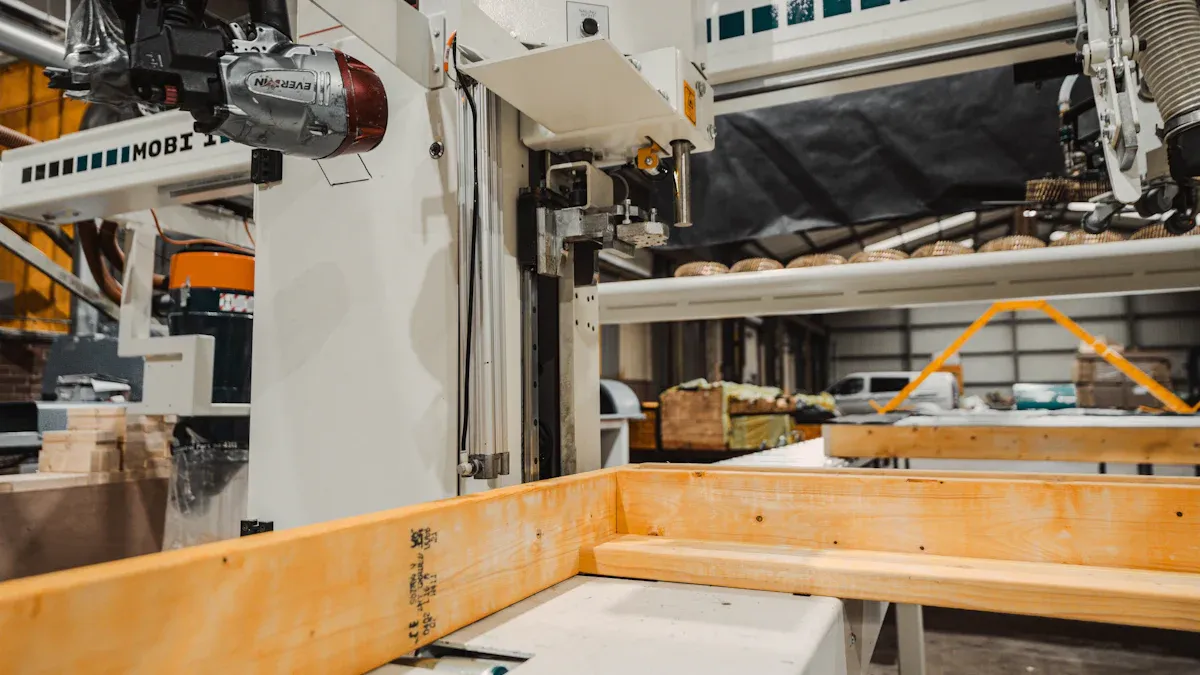
An automatic tool changer cnc router changes how you make cabinets. Complex cabinet parts need many drilling and routing steps. Without an atc cnc router, your worker must stop the machine to swap tools by hand. With an atc cnc router, the machine changes tools on its own. This helps you automate cabinet production while keeping precision.
How ATC CNC Routers Improve Cabinet Making
When you look at an atc cnc router for cabinet making, check the tool magazine size first. A chain-type magazine holds more tools than a carousel design. For nested-based manufacturing, you need enough slots for every step your cabinet parts require. The table below shows suggested sizes:
Production Scale | Recommended Magazine Capacity | Magazine Type |
|---|---|---|
Small custom shop | 15–20 bits | Carousel |
Mid-size cabinet line | 20–30 bits | Chain |
Large-scale production | Chain |
A bigger magazine lets you run longer without reloading. You also need a vacuum table sized for full sheets of material. This setup supports nested-based manufacturing, where you cut many cabinet parts from one sheet in a single pass.
The speed gains from an atc cnc router are big. Manual tool changes take 30–90 seconds each. An automatic tool changer cnc router does the same swap in 3–8 seconds. On a cabinet door run with five tool changes per panel, you save 4–7 minutes per cycle. That means about one extra panel per hour. One worker running an atc cnc router can make 25 cabinets daily, compared to 12 cabinets from two manual machines run by three workers. The payback period often falls under eight months.
An atc cnc router also allows unattended operation. You load sheets in the evening, and the machine runs overnight. Your skilled workers focus on assembly and finishing instead of watching the spindle. This frees labor for complex tasks that truly need human judgment.
Software Integration for Smooth Workflow
The best atc cnc router is useless without proper software integration. Your design software must export files your cnc router can read without errors. The industry standard is 2D DXF format, accepted by all CAM software. Each cabinet part should output as a single DXF file.
Layered DXF files reduce machining errors. Each layer contains geometry plus a layer name that identifies the specific operation, such as cutting, hinge machining, or pilot holes for drawer sliders. This structure lets your CAM software read tool path information and pick the correct tool automatically. No manual setup errors. No mismatched tools.
Some cabinet software also supports native CAM formats like MPR or XXL. These formats allow direct, error-free transfer of part data and tool path information. When choosing a cnc router for cabinet production, ask the manufacturer about their software partnerships. A cnc nesting machine works best when it connects smoothly to your existing design tools. The right woodworking cnc machine vendor offers a complete system, not just hardware. This integration ensures smooth data flow from design to production, reducing downtime and mistakes.
For any cnc router for cabinet making, check that the control software accepts your design files directly. A cnc router that needs manual reprogramming defeats the purpose of automation. Choose atc cnc routers for cabinet making that support your current workflow and grow with your future needs.
Customization and Scalability for Your Production Needs
A one-size-fits-all plan rarely works in cabinet making because every shop runs differently in terms of products, volume, and workflow limits. A good manufacturer knows this. They offer modular systems you can set up to match your exact needs. This flexibility lets you automate cabinet production at a speed that fits your budget and demand.
Tailoring Solutions to Your Shop's Workflow
The right machinery partner studies your current work before suggesting equipment. They look at your floor space, material flow, and current slowdowns. This check guides their advice on cnc routers, edge banders, and panel saws that fit your layout.
Think about a real case from a Middle Eastern startup buyer. This customer first asked for a fully-automatic line. After looking at his order profile—small-batch custom kitchens with different panel sizes—the manufacturer suggested another path. He started with a semi-auto edge bander with pre-milling and a cnc nesting router. This step-by-step plan kept his first costs within budget. He added a fully-auto unit later as his volume grew into standard product lines.
This story shows the worth of a partner who listens instead of pushing the priciest option. The best manufacturers offer solutions for material handling too. Conveyors and lift tables fit smoothly with your current work. These additions cut manual lifting and speed up flow between machines.
Planning for Future Growth and Automation
Think long-term when picking your machinery partner. Your production needs will shift. The partner you choose should grow with you. A manufacturer with a wide product range makes this growth easier.
KDT shows this approach. They supply everything from a single cnc router to a full automated line. This range ensures consistency and compatibility across your equipment. You avoid the headache of mixing brands that don't work well together.
Tiered investment options help you match spending to current needs. An entry-level tier might include a semi-auto edge bander with pre-milling, trimming, and buffing functions. The cost stays manageable for small shops making custom cabinets for local jobs. A growth-stage tier adds a fully-automatic edge bander with pre-milling. The extra cost over semi-auto is real but not too high. The drop in rework usually pays back the difference within the first year.
This tiered setup lets you skip the big upfront cost of a fully integrated line with automation you don't yet use. As demand grows, you add capacity bit by bit. Your atc cnc router from today becomes part of a larger system tomorrow. The atc cnc routers you invest in now keep serving you as you expand toward high-volume cabinet production.
Choosing a partner with this mindset turns your first purchase into a long-term plan for your cabinet making business.
Evaluating Support, Training, and Total Cost of Ownership
The cheapest machine often ends up costing the most. Downtime, weak training, and bad service eat into profits faster than any upfront savings. You must figure out the true return on investment. Include installation costs, operator training, and ongoing maintenance in your math. A machine only makes money while it runs. Every idle hour costs you money. That makes after-sales support just as important as the hardware itself.
The Importance of After-Sales Service and Parts Availability
A strong service network sets reliable manufacturers apart. When your cnc router breaks down mid-production, you need help fast. Global manufacturers like KDT keep multiple bases and a wide distribution network. This setup allows faster response times and local support wherever you operate. You avoid waiting weeks for a technician to fly in from overseas.
Spare parts availability directly affects your uptime. You should keep critical components in your own inventory to reduce downtime. The following parts wear out regularly and deserve a spot on your shelf:
Plastic CNC tool holder fork – critical ATC wear part that clamps the tool holder; requires regular inspection.
Collet tool holders with cover nut and pull stud – core spindle-to-tool connection; worn parts cause runout or detachment.
CNC collets (ER8, ER11, ER16, ER20, ER25, ER32, ER40) – essential for tool gripping accuracy.
Tool tightening stand – needed for safe and accurate tool changes.
Pull stud retention knob – for HSD spindles; prevents tool loss during operation.
Linear guide carriage block – maintains precise movement of the router axes.
Becker pump vane – vacuum pump wear part; failure stops workpiece hold-down.
These parts cover the most common failure points on an atc cnc router. A manufacturer that stocks these items locally cuts your repair time from weeks to days. Ask about their parts distribution before you sign anything.
Training and Knowledge Transfer for Your Team
Your operators decide how well your cnc machines perform. Even the best equipment underperforms when workers lack proper training. A good manufacturer does not just install the machine and leave. They make sure your team becomes skilled through complete training programs.
Training should cover machine operation, software usage, and routine maintenance. Your workers need to know how to load programs, change tools safely, and fix common errors. They should also learn preventive maintenance tasks that extend equipment life. This knowledge transfer turns your staff into confident operators who boost throughput.
Ongoing support matters beyond the initial training period. The best manufacturers offer consultation services to help you improve processes over time. They show you how to unlock new capabilities of your equipment as your product mix changes. This partnership approach helps you refine workflows and find efficiencies you missed at first.
Consider the full cost of ownership when comparing quotes. A slightly higher purchase price often pays for itself through better training and faster service response. Calculate your potential losses from downtime during peak production seasons. Factor in the cost of sending operators to off-site training versus on-site instruction. These numbers reveal which manufacturer truly offers the best value.
The right partner invests in your success long after the sale closes. They watch industry trends and share insights that keep your operation competitive. They help you adapt to changing customer demands without replacing entire production lines. This ongoing relationship turns a simple equipment purchase into a strategic advantage for your cabinet making business.
When you evaluate manufacturers, visit their facilities and talk to existing customers. Ask about response times for service calls and parts delivery. Request references from shops similar to yours in size and production volume. These conversations give you honest feedback about real-world performance.
Your decision shapes your operational efficiency for years to come. Choose a partner who stands behind their equipment with genuine commitment. The right manufacturer helps you achieve higher productivity, accuracy, and profitability through reliable support and continuous improvement.
Choosing a machinery maker is like picking a long-term business partner. You need modern tech, software that works well together, options to fit your needs, and strong help when you need it. Your goal is not just buying machines. You want to automate cabinet production the right way and get your shop ready to grow.
Visit factory sites before you decide. Ask for references from shops like yours. Check how much each maker cares about new ideas over time. An atc cnc router is only one piece of the puzzle. The right cnc router partner brings know-how that keeps paying off year after year.
Pick a partner who helps you reach better output, exactness, and profit. The best cnc routers and makers give you value that lasts. Your cabinet shop deserves a partner who cares about your future success.
FAQ
How do I know if an atc cnc router fits my shop's production volume?
First, figure out how many panels you make each day. An atc cnc router works well for nested-based manufacturing. If you make more than 20 cabinet panels daily, automation pays off fast. Smaller shops can begin with a manual tool change machine and move up later. Pick a machine size that matches your usual sheet sizes.
What software do I need for my cnc router?
Your cnc router needs CAM software that can read DXF files from your design program. Many manufacturers include their own software with the machine. KDT offers built-in solutions that link directly to popular cabinet design software. Ask about software partnerships before you buy. This connection stops file conversion errors and makes your workflow faster.
How long does training take for new cnc equipment?
Most manufacturers give on-site training that lasts three to five days. Your operators learn machine operation, basic maintenance, and software use during that time. Some vendors offer advanced training sessions after you gain experience. Plan for a two-week learning period before you reach full production speed. Support calls help fix problems as they come up.
What spare parts should I keep in stock for my atc cnc router?
Keep collet tool holders, pull studs, and a tool tightening stand ready. Linear guide carriage blocks and vacuum pump vanes fail most often. Plastic tool holder forks wear out with regular use. Stock these items to cut downtime. Ask your manufacturer for a recommended parts list based on your production hours.
Can I expand my automated cabinet production line later?
Yes, choose modular equipment from the start. A single cnc router works alone today. Add edge banders, panel saws, and conveyors as demand grows. Manufacturers like KDT offer complete lines that work with existing machines. This approach spreads your investment over time while keeping your workflow steady.