
 English
 Greek
Greek Spanish
 Ukrainian
 Turkish
 Swedish
 Portuguese
 Russian
 German
 Bulgarian
 Arabic
 O'zbekcha
 Қазақ
ҚазақTop CNC Machining Center Manufacturers for Small Businesses
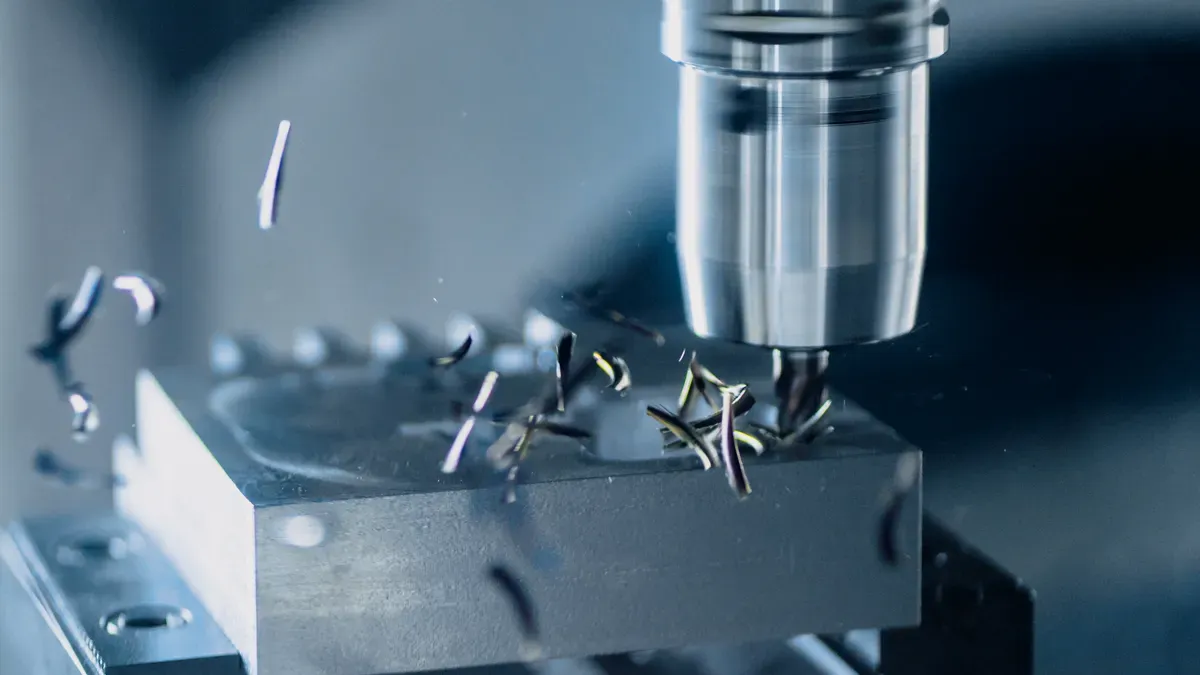
Every small business needs a different approach. No one company makes the perfect CNC machine for every shop. Buyers must think about budget, materials, part complexity, and support needs. Small machine shops face different issues than big factories: less space, smaller budgets, fewer skilled workers, and fast service. This article looks at several top CNC brands that help small shops well, including options for a CNC machining center that fits tight footprints and varied production needs. Each brand has special strengths, such as reliability, easy operation, or 5-axis ability. Knowing these differences helps owners choose the best machine for their work.
Key Takeaways
Small shops pick a machine that fits their budget, space, and the kind of parts they make.
Haas has controls that are simple to use. Haas gives quick service to people who are new to buying.
DMG Mori provides very high accuracy for complicated parts.
Used machines help you save money. They need a careful check by an expert.
Try out a machine with your own parts before you purchase it.
How to Choose a CNC Machine Manufacturer
Budget, Footprint, and Power
A small shop needs to think about cost, space, and power before picking a manufacturer. The price you pay is just one part of the total cost. Costs for tools, setup, power upgrades, training, upkeep, and parts all add up. A machine that seems cheap can get costly if it needs more power or space than you have.
Check your shop's limits early. Look at size, door height, floor strength, power, and air supply before you buy. A strong machine keeps precision and lasts longer. So do not trade strength for a lower price. Tool types also matter. Using BT30 or BT40 tool holders that fit your work saves you from buying new tools later.
Ease of Use and Support
For a small shop, ease of use, training, and good support are as important as specs. Simple controls and software reduce training time and increase output. Shops with fewer skilled workers benefit from clear guides, standard tools, and reusable tool libraries. These features speed up changeovers for small batches.
Good support and easy maintenance access are also key. Reliable customer service and fast parts help keep the machine running. Buyers should read reviews on support before choosing. A machine that can be upgraded later lasts longer as the business grows. A good brand with strong demand helps resale value, making future upgrades easier. When looking at a CNC machining center, test one typical part and one hard repeat part. This test shows if the machine really fits your needs.
Top CNC Machine Manufacturers for Small Shops
Haas Automation
Haas Automation is a very trusted CNC machine maker for new buyers. This American company gets regular praise on forums and review sites for low prices and great value. Small machining shops like the easy-to-use controls that need very little training. The strong service and parts network helps cut downtime a lot. A shop owner can call and get a technician or part shipped fast.
The Haas VF Series is a good choice for small to mid-size manufacturers. These vertical machining centers do many types of work without needing much floor space. The VF line does prototyping, job shop work, and small production jobs. Buyers should know that Haas machines are not as strong as some others. They are not good for heavy or big parts. The brand also does not have the advanced multi-axis or high-precision features of DMG Mori or Okuma. For a startup or a shop that does general machining, Haas gives great value. The control system is easy to use, and the company offers many online guides and training resources. This CNC brand shows up on almost every list of recommended machines for small shops.
DMG MORI
DMG MORI is a world leader known for precision and flexibility. This company serves small to mid-size shops with machines that can handle complex parts. The DMG Mori NLX Series works well for small to mid-size operations. The NLX 2500 uses base casting cooling and a box-type bed with a ribbed column structure. This design spreads heat evenly and cuts down noise and vibration. The machine does precision work like making medical devices.
A comparison with the Okuma LB3000EX II shows important differences. The Okuma uses a Thermo-Friendly Concept with sensors that watch and adjust for heat growth. Its box slant-bed design keeps size changes under 5 microns. The Okuma works better in shops without tight temperature control. The DMG Mori NLX 2500 works best in rooms with controlled temperature. In terms of price, the DMG Mori usually costs 15 to 20 percent more than the Okuma in a similar MYW or SY setup. The Okuma LB3000EX II costs about $170,000 to $200,000 new, including tools, chip conveyors, and needed parts. Used Okuma machines cost about $80,000 to $120,000 based on age and setup. Used DMG Mori prices are also similar, but newer CELOS generations cost more. Both machines use standard Kitagawa chucks and common tool systems.
Both Haas and DMG MORI show up often on recommendation lists and machinist forums. A small shop looking for a 5-axis machining center or a reliable VMC should consider both brands. Each has different strengths. Haas is better for affordability and support. DMG MORI is better for precision and thermal stability. The right choice depends on what the shop needs and its budget.
More CNC Machine Brands Worth Considering
Mazak
Mazak has a strong name for getting a lot done and being flexible in the manufacturing world. The Mazak Quick Turn Series has features that are great for small businesses. It supports high-mix, low-volume production. These machines can handle many part types without always being reset. Small shops gain from the following productivity features built into the Quick Turn line:
Productivity Feature | Benefit for High-Mix, Low-Volume Production |
|---|---|
Multi-tasking capability (milling, Y-axis, second spindle) | Cuts down on setups and handling for different part types |
DONE IN ONE® operations | Finishes parts fully in a single setup |
Direct-drive turret | Boosts rpm, makes surface finishes better, and lowers maintenance |
High-rigidity construction and built-in spindle motors | Gives performance that goes beyond production needs |
Second turning spindle | Adds flexibility for complex parts without needing extra machines |
Milling and Y-axis capabilities | Allows off-centerline milling for more part flexibility |
These features make the Quick Turn Series a smart choice for small shops that need one cnc machining center to do both turning and milling jobs. Being able to finish parts in one setup cuts cycle times and lowers errors from re-clamping. For a small business dealing with different job lots, this ability directly boosts profits. Mazak machines also have good resale value and a large service network, which matters for growing shops. A small shop buying its first turning center should put Mazak on the short list with Haas and DMG Mori. The Quick Turn line makes learning easier, letting operators switch between milling and turning tasks without more training. This flexibility fits shops that take a wide range of orders.
Doosan and Okuma
Doosan, including the PUMA Series, is a trusted choice for new buyers and growing shops. The PUMA turning centers offer strong construction at competitive prices. Small shops like the reliability and simple operation of Doosan machining centers. The brand has a strong presence in the job-shop market with many dealers giving quick support. The PUMA line handles both simple shafts and complex contours, making it a flexible addition for general-purpose work. Maintenance access on these machines makes routine tasks easier, cutting downtime for smaller teams.
Okuma has earned its name as a reliable option for shops that care about accuracy and long life. The LB-Series and Genos lathes give outstanding thermal stability through the Thermo-Friendly Concept. These machines hold tight tolerances even in shops without climate control. For small businesses that plan to keep a machine for ten years or more, Okuma offers lower total cost of ownership through durability and steady accuracy. This makes Okuma a strong cnc brand for precision machining work. The control system runs smoothly and rarely needs intervention, letting operators focus on production instead of troubleshooting.
Beyond these well-known names, several other cnc machine manufacturers deserve attention from small job shops:
Which CNC mill brands are best for a small job shop? Haas and Hurco are common job-shop choices; Tormach suits lighter education and prototyping; compact WMTCNC models can suit cost-conscious buyers who need factory-direct configuration and export support.
Hurco offers conversational programming that makes it easier to go from blueprints to finished parts. Tormach provides affordable mills for schools and light production. WMTCNC delivers compact models for buyers who want factory-direct configurations. Every machine brand serves a specific niche. No single manufacturer fits every shop. A buyer looking for a 5-axis machining center or a 5-axis turning center should check all options carefully. Matching the brand strengths to the shop work mix and budget leads to the best decision. Talking to dealers and asking for demo runs on actual parts confirms the fit before purchase.
KDT: A Woodworking CNC Manufacturer
KDT is a national high-tech enterprise that puts its focus on smart woodworking manufacturing. KDT sends its products to many countries. It has won wide praise for being precise and reliable. In 2018, KDT bought 75% of Italy's Masterwood S.p.A., which made its global know-how stronger. These investments help KDT offer technology that meets international standards. At the same time, it stays within reach for small businesses.
Why KDT Fits Small Furniture Businesses
Small furniture makers need machines that balance what they can do with what they cost. KDT edge banding machines fill this need well.
High workpiece processing speed, a wide choice of configurations and an affordable price (compared to European counterparts) make KDT edge banding machines very popular in the furniture market.
Single-sided edge banding machines work as starter options for medium-sized workshops. These units don't take up much room and fit different panel sizes. Quick changeover between references helps small shops run many part types without long waits. These machines handle about 80% of edge banding needs for custom furniture. The KDT-305 curved edgebander has a compact design and a simple operating system. It works well for curved or polygonal panels. The KE-655JSKA and KE-665JSKA models give a great balance between performance and what you pay.
What to Consider Before Buying
A buyer should match machine specs to the parts they make most often. Panel size, material thickness, and batch size affect which model works best. KDT offers entry-level single-sided machines for small workshops and advanced edgebanders for batch production. A shop making custom furniture gains from the quick changeover of the KDT-305. A shop running larger batches may prefer a model with higher throughput.
Support and training matter just as much as machine specs. KDT has a global service network. The company's acquisition of Masterwood in Italy and its commitment to technology show a long-term dedication. Buyers should confirm spare parts availability and local service response times before buying. A demo run on actual parts helps confirm fit. Dealers can suggest the right configuration based on the shop's typical work mix.
New vs. Used CNC Machining Centers
When a Used Machine Makes Sense
A small business with a tight budget often finds that a used machine saves a lot of money. A new CNC machining center costs far more than a pre-owned one. Buyers can use that extra money for tooling, training, or shop upgrades.
Used CNC machines can save you 20% to 50% compared to new ones, but you should also count extra costs for inspection, retrofits, and shorter warranties.
A used cnc machine works well for shops that need general machining power without the newest features. Startups and job shops that make simple parts gain the most from this choice. But every used cnc machine needs a careful check before you buy it. Hidden problems can wipe out the money you saved upfront.
Getting Expert Advice
A buyer should always talk to dealers, integrators, or skilled machinists before buying a used unit. These experts catch problems that untrained eyes miss. They also know fair market prices and common failure points for certain models.
A full inspection covers several key areas. Rust, oil leaks, heavy grime, and makeshift repairs all point to neglect. Control system errors, frayed wiring, and old software create future trouble. A test cycle shows strange noises or vibrations that hurt precision. The buyer should also ask for maintenance records and check alignment with a test bar. Long idle periods can hurt a machine more than regular use, so a unit pulled from service after a breakdown needs extra care. Expert guidance turns these checks into a clear picture of total cost of ownership.
Small businesses should think about price, easy use, lasting quality, accuracy, and support before picking a maker. The best cnc brand depends on the shop. A startup making early models needs different features than a small furniture business or a growing job shop. A shop that wants 5-axis machining has different needs than one doing simple turning work.
Buyers should ask dealers, integrators, or skilled machinists for help. Used machines save money for shops with small budgets. Reading tips from other shop owners helps narrow the list. The next step is easy: ask several makers for quotes and set up a demo. Testing a real part on the machine shows if it fits before you pay.
FAQ
Which CNC machine brand suits a small shop best?
No single brand works for every small shop. Haas gives you low prices and strong support. DMG MORI offers high precision for complex parts. Mazak, Doosan, and Okuma each meet different needs. A shop should match what each brand does best to its own work, budget, and space.
How much floor space does a small shop need for a machining center?
Floor space depends on the machine model and its accessories. A vertical machining center needs less room than a horizontal one. Buyers should measure door height, floor strength, and power access before they choose. Compact models from some brands, such as Brother, fit into tight spaces well.
Can a small furniture business use a CNC machining center?
Yes. KDT's edge banding machines are designed for small furniture shops, automating edge banding tasks and reducing material handling. These machines are a good fit for shops with limited space and budget.
Is a used CNC machine a good choice for a startup?
A used machine can save a lot of money compared to a new one. Startups that make simple parts gain the most. But every used unit needs a careful check for rust, wiring problems, and control errors. Advice from dealers or machinists helps you avoid hidden issues.
What should a buyer test before purchasing a CNC machine?
A buyer should run one typical part and one hard repeat part on the machine. This test shows if the machine fits real production needs. Checking support response times and spare parts availability also matters. A demo confirms the fit before you pay.