
 English
 Greek
Greek Spanish
 Ukrainian
 Turkish
 Swedish
 Portuguese
 Russian
 German
 Bulgarian
 Arabic
 O'zbekcha
 Қазақ
ҚазақWhat to Consider When Choosing a CNC Furniture Machinery Supplier for a New Factory
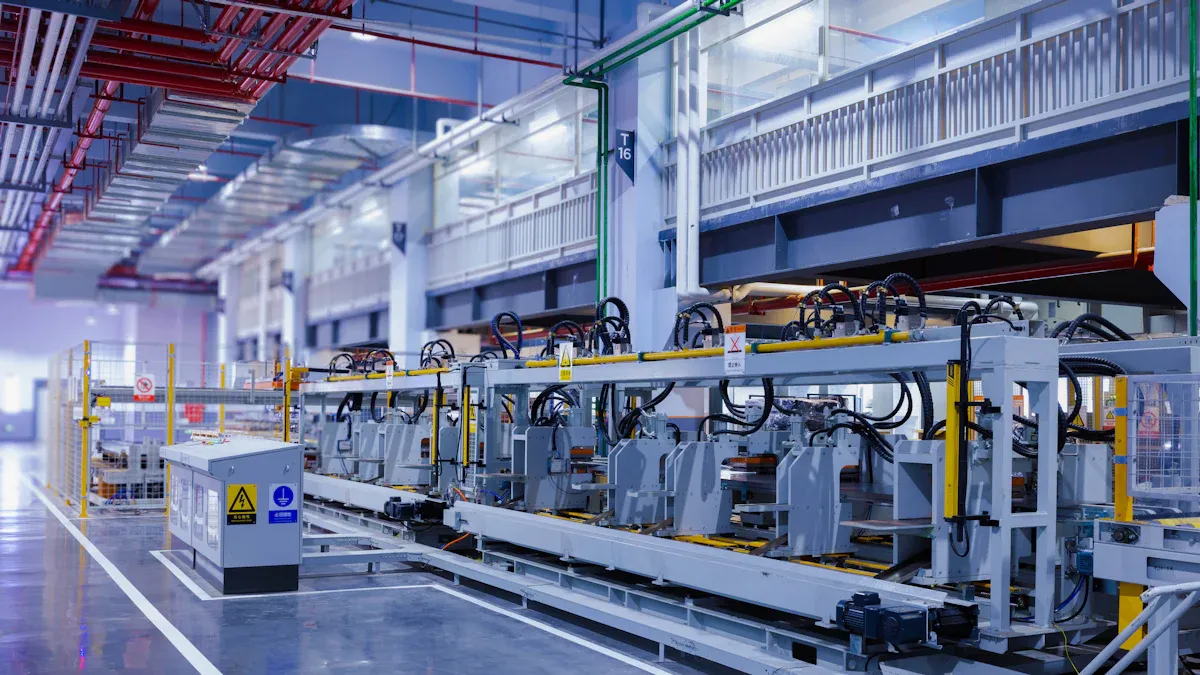
When you pick CNC furniture machinery for a new factory, the cheapest machine should not be your first choice. The most important thing is a supplier you can trust, with good after-sales help and service. Your work cannot stop. Fast help and local support matter much more than saving money upfront. You need dependable technical support to keep production going. Looking at your production needs, machine specs, and total cost helps you avoid costly mistakes. A strong partnership with a reliable maker brings long-term success. This guide focuses on what really matters for your choice. Think about spare parts and training. Check how fast each vendor can respond when problems come up. A dependable vendor helps you keep productivity from day one.
Key Takeaways
Figure out what you need to produce first. Know your materials, how much you will make, and how exact it must be.
Look closely at the machine specs. Check how accurate it is, how long it lasts, and its spindle power.
Check the supplier's reputation. Look for certifications and customer references.
Compare all the costs, not just the price to buy. Include setup, training, and upkeep.
Check the support you get after the sale and whether the machine can grow with you. Make sure service is fast and there is room to expand.
Define Production Requirements
Before you look at any CNC furniture machinery, you need to clearly figure out what your factory will make. This step stops expensive errors. The materials you pick, how much you plan to produce, and how precise your work needs to be all help you choose the right machine. A woodworking CNC machine that works for one furniture maker may not work for another. Take time to write down your needs before you talk to suppliers. List the products you want to make, how many you need each day, and your quality goals. This clear picture helps you compare machines using the same standards.
Volume, Materials, Precision
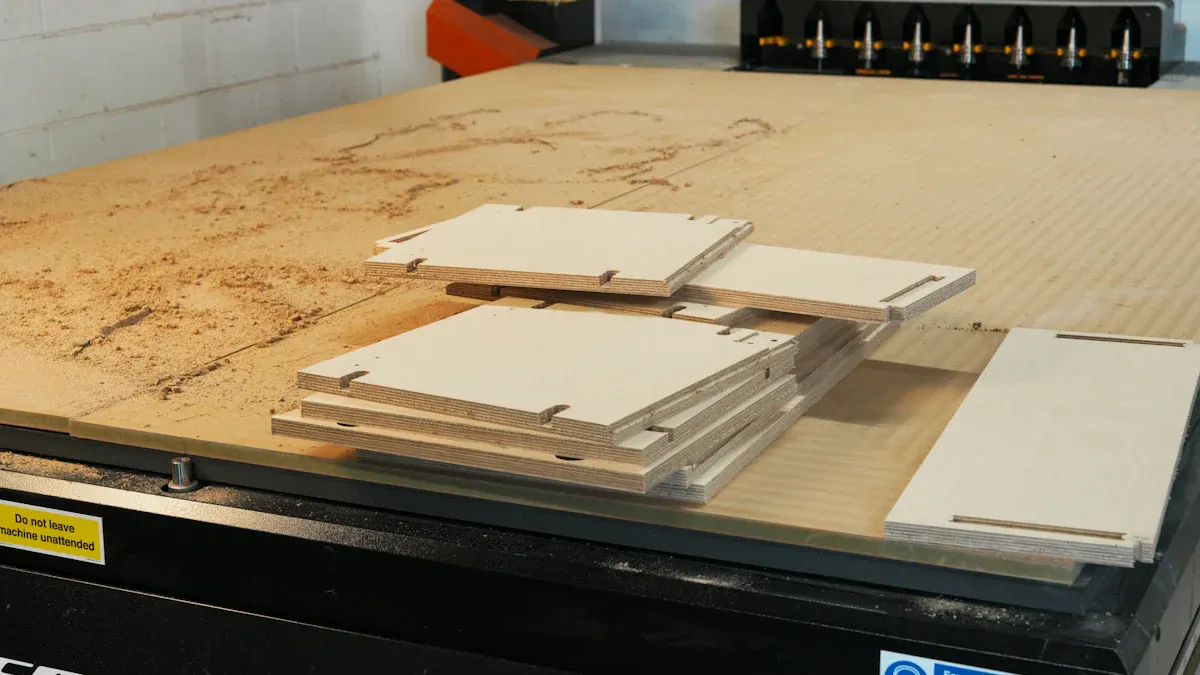
The material you use changes which machine is best. Hardwoods, panels, and laminates each act differently when cut. How thick and dense your panels are tells you what spindle power and cutting tools you need. For example, a factory that works mostly with melamine-faced particleboard needs different CNC woodworking equipment than a shop that uses solid hardwood. The machine size and bed area must fit the size of your furniture parts. You cannot cut big cabinet panels on a small-format machine without losing speed. How accurate you need to be also changes. Kitchen cabinets need tighter tolerances than rough shelving. Your accuracy goals affect spindle quality, frame stiffness, and control system choices.
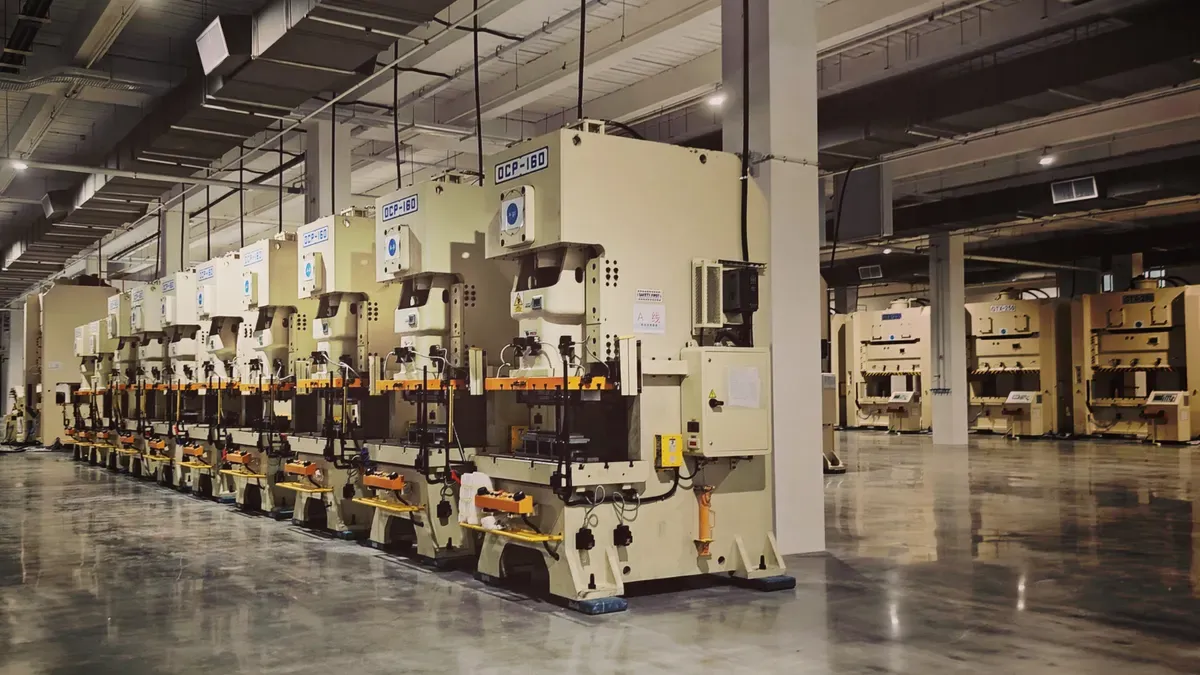
For cabinet making, some features matter a lot. Four-spindle nesting CNC machines switch tools while still running. Trim units finish edges without a person doing the work. Vacuum pressure systems hold parts steady during fast cutting. Side drills make holes for assembly hardware in one single step. These features directly affect how many furniture parts you can produce. KDT offers flexible automated production lines that adjust to different volume needs. Whether you make fifty cabinets per shift or five hundred, their CNC panel processing solutions grow with your demand. This flexibility protects your money as you get more orders.
Budget and Installation Timeline
Your first cost matters, but it should not guide every choice. A cheaper machine often costs you more over time because it breaks down and works poorly. Set a real budget that includes setup, training, and first-year upkeep. Your timeline for setup also affects the machine you choose. Some suppliers deliver and install in weeks. Others take months. A CNC router for furniture production from a reliable supplier arrives on schedule and fits into your work quickly. Think carefully about lead times when you plan your factory launch. KDT's global factories and shipping help meet tight installation deadlines. Their CNC woodworking line solutions come with planned support for setup. This approach cuts down on problems in your furniture making schedule. Your team can focus on production instead of fixing machine issues. When you plan a new factory, think about both your budget and your time to start production together. A balanced approach gives you the best value over the long run.
Evaluate CNC Furniture Machinery Specifications
Accuracy, Durability, Spindle Power
Machine specs decide the quality of what you make and what you pay over time. Tolerance, workload, and your business goals should guide every choice. A woodworking cnc machine made for light hobby work cannot handle nonstop furniture production. You need an industrial cnc machine rated for your real daily demands.
Spindle power directly affects cutting speed and surface finish. A weak spindle makes you slow down, which hurts your output. Machine reliability depends on how well you take care of the spindle over time. Even high-quality spindles need steady care to last as long as they should. Key practices include:
Run warm-up cycles at lower RPM for 2-5 minutes before heavy cutting
Replace worn collets to stop runout
Change coolant fluid every 10,000 hours of operation
Check cooling systems on a regular basis
Many spindle failures come from dust contamination, poor warm-up, and cooling neglect rather than manufacturing defects. Bearing replacement usually costs $2,500-$3,500, though some users replace bearings themselves for around $200 and 3-4 hours of labor, extending life 3-4 years.
CNC Router for Furniture Production Features
Software compatibility shapes your whole workflow. CAD/CAM integration lets you go from design to cut without manual programming. This saves time and cuts down on errors in furniture manufacturing.
Vacuum holding is critical for accurate cutting. A cnc router for furniture production relies on steady vacuum pressure to keep panels in place. When vacuum pressure drops, parts shift during cutting. Even tiny movement causes edge chipping, rough surfaces, and dimensional variation. The table below shows common symptoms and fixes:
Symptom | Probable Cause | Recommended Action |
|---|---|---|
Small parts moving | Insufficient holding force | Inspect spoilboard and vacuum zones |
Edge chipping | Material movement | Check vacuum leakage |
Inconsistent dimensions | Panel shifting | Verify vacuum pressure |
A CNC router is used to cut wood panels into specific shapes and sizes, depending on the end product. It is a process that requires a constant and powerful vacuum supply to hold the workpiece during cutting, as well as precise programming and cutting tools.
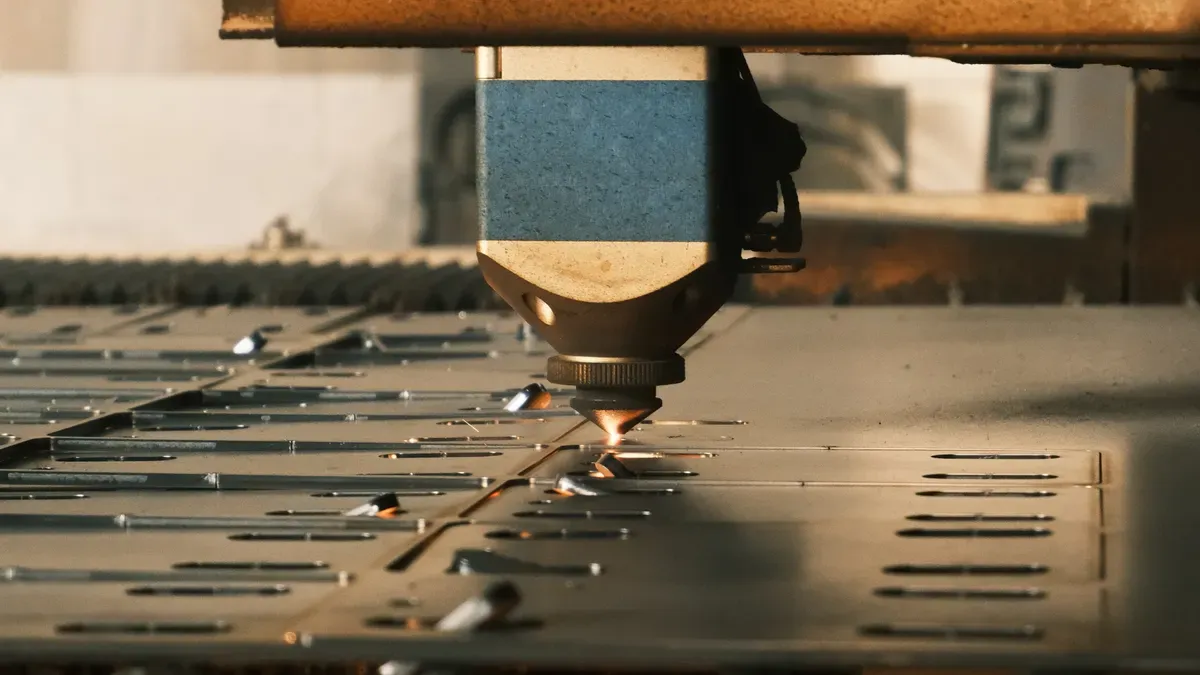
Advanced features set leading suppliers apart. KDT's maglev-driven edge bander and five-sided CNC drill represent cutting-edge cnc panel processing technology. These cnc router for furniture production features improve speed, accuracy, and automation for your factory.
Assess a Reliable CNC Furniture Machinery Manufacturer
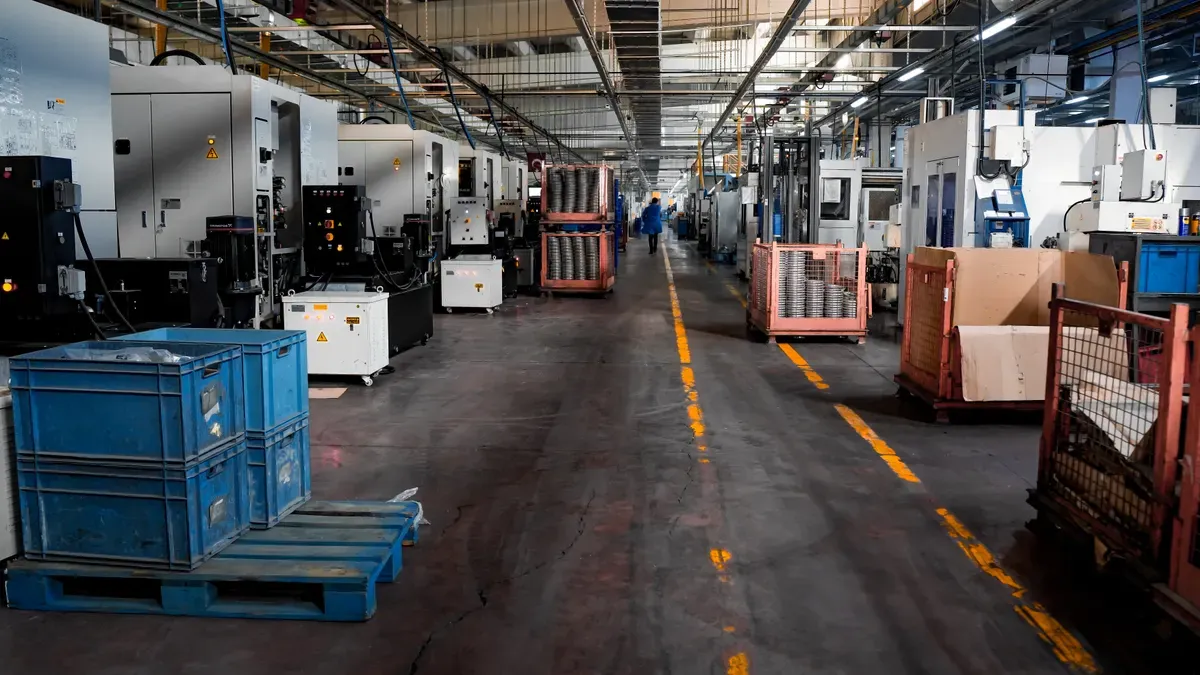
You must check the background of every possible partner before you sign a contract. A reliable cnc furniture machinery manufacturer proves its value through years of steady work. You need to look at what other buyers say and what official groups certify. This step protects your money and your factory's future.
References and Certifications
Start your research with industry associations and user forums. These places hold honest feedback from real buyers. You can find customer references from factories that already run the machines you want. Ask these buyers about machine uptime, repair speed, and daily performance. Their stories show you what marketing materials hide. You should collect customer references from at least three different companies. Each reference gives you a clearer picture of the supplier's true nature. A cnc woodworking machinery supplier with strong customer references will gladly share these contacts. A weak one will avoid the topic.
Quality assurance and standards compliance also matter. You should verify that the cnc furniture machinery manufacturer holds key certifications. The table below shows the most important ones for furniture production.
Certification | Category | Relevance to CNC Furniture Machinery |
|---|---|---|
ISO 9001 | Quality management system | Critical for standardized assembly processes, strict quality control, and continuous improvement; supports factory audits and reliable production. |
CE | Product safety certification | Critical for validating electrical and operational safety of CNC routers and laser systems; helps meet local safety laws and reduce operational risk. |
FDA | Product safety/regulatory certification | Mentioned as a safety validation, but more specific to medical applications, so less critical for furniture machinery. |
These documents prove that the supplier follows strict rules. They also protect you from legal problems later.
Track Record and Financial Stability
A long history shows that a company can survive hard times. You want a reliable cnc furniture machinery manufacturer with proven staying power. Check how long the company has operated and what it has achieved. Look for signs of financial health and global reach.
KDT serves as a strong example. The company trades on the Shenzhen Stock Exchange under code 002833. This listing means public financial reporting and outside audits. KDT also holds national high-tech enterprise status. That title requires meeting strict government standards for research and innovation. In 2018, KDT acquired Italy's Masterwood S.p.A. This move expanded its technology base and European presence. These facts show stability that smaller suppliers cannot match.
You should also gather customer references from current users in your region. Ask about the supplier's service response time and part availability. A reliable cnc furniture machinery manufacturer keeps spare parts in stock and sends technicians fast. Financial strength lets a supplier invest in these support systems. A weak company cuts corners on service when money gets tight. Your factory cannot afford that risk. Take time to verify every claim before you commit.
Compare Pricing and Total Cost with a CNC Furniture Machinery Manufacturer
Purchase, Installation, Training Costs
The cheapest machine rarely delivers the lowest total cost of ownership. You must look beyond the sticker price. A reliable cnc furniture machinery manufacturer helps you see the full picture. Your initial investment cost covers more than the machine itself. You also pay for shipping, installation, and operator training. Training typically takes two to three days and costs between $0 and $1,000 per operator. Some suppliers include this in the package. Others charge extra. Ask about these fees before you sign.
You should also review warranty terms carefully. A strong warranty protects your furniture production from early failures. Compare what each supplier covers and for how long. A cnc furniture machinery manufacturer with clear warranty terms shows confidence in their equipment.
Maintenance, Energy, Spare Parts Costs
Ongoing costs add up fast. A woodworking cnc machine consumes significant electricity. A 4×8 CNC nesting machine costs about $2,900 per year in electricity. A larger 5×10 model runs about $4,100 annually. The larger vacuum pump adds 3.5–7.5 kW of continuous draw. These numbers matter for your budget.
Spare parts availability directly affects your total cost of ownership. Common components take 2–4 weeks to arrive. Older or specialized parts can take 8–12 weeks. Long waits extend downtime and inflate costs. A cheaper machine without responsive service can sit idle for weeks. A more expensive machine with a 24-hour on-site response commitment keeps your panel furniture factory running. KDT exports to over 70 countries and operates multiple manufacturing bases. This global reach can reduce parts and service costs for your factory. Always check local support capabilities before you buy. Technician availability and spare parts stock separate good suppliers from weak ones.
Check After-Sales Support and Service, Customization, Scalability
Training, Technical Support, Spare Parts
You must check after-sales support and service before you buy any cnc furniture machinery. Waiting until a machine breaks down is way too late. A broken machine stops your whole production line. Every hour of downtime costs you money and delays orders. You need a partner that responds fast when problems come up.
Start by asking about training programs. A reliable cnc furniture machinery manufacturer gives thorough training for your team. KDT offers systematic offline training courses held every month and every quarter. These courses cover precision equipment commissioning, cutter maintenance, circuit troubleshooting, and production optimization. Your operators learn how to run machines the right way from day one. Your maintenance staff learns to fix common issues without waiting for outside help. Operation and maintenance training helps your team master the equipment quickly. This training cuts down your dependence on outside technicians over time.
You should also check what technical support the supplier offers after the sale. Round-the-clock online support with remote visual commissioning and fault diagnosis can save you days of downtime. With remote help, a technician far away can see what your machine displays and guide your team through fixes. Programming guidance over phone or video call helps your team solve problems fast. Access to after-sales support documents and information through an online portal makes self-help possible. A supplier that offers these tools shows real commitment to your success.
Spare parts availability directly affects your uptime. Ask each supplier about their parts inventory. How fast can they ship common components? Where do they keep their parts warehouses? A supplier with regional stock cuts down your waiting time. You should also check warranty terms carefully. Good warranty terms protect you from early equipment failures. Compare what each cnc furniture machinery manufacturer covers and how long the coverage lasts. A manufacturer that stands behind their equipment will offer clear warranty terms.
Talk to current users before you decide. Get customer references from factories running similar operations. Ask about their experience with training, support availability, and spare parts delivery. Honest customer references reveal the truth about a supplier's service quality. You learn more from three phone calls with current users than from any sales brochure.
Customization and Future Growth
Your furniture production needs will change over time. You need a manufacturer that adapts to your growth. Look for customization options that match your specific product lines. Some manufacturers offer modified machines for unique panel sizes or special drilling patterns. Others provide software changes that fit your workflow. A reliable cnc furniture machinery manufacturer works with you to create solutions that fit your exact needs. This customization protects your investment and keeps you competitive.
Scalability matters just as much. Your factory might start with one CNC machine and grow to a full automated line. Your manufacturer should offer equipment that expands with your volume. KDT operates with the philosophy of "win-win cooperation and creating value for customers." This approach drives their global agent network. With agents in over 70 countries, they provide local service that scales with your business. As your furniture manufacturing expands, you need a partner that delivers more machines, more training, and more support without dropping quality. A good cnc furniture machinery manufacturer also helps you plan for future capacity. They show you how to add machines or upgrade existing ones. They understand that your furniture production line must evolve with market demands. Your manufacturer's ability to support growth separates a short-term partner from a long-term one. Choose a partner that sees your future and helps you build it.
You now have a clear checklist for your factory decision. Review these points before you choose:
Define your production needs, materials, and volume
Evaluate machine specs, accuracy, and spindle power
Verify supplier reputation, certifications, and track record
Compare total cost, including installation and maintenance
Confirm after-sales support and service availability
Check scalability for your future growth
Take action now. Request quotes and schedule demos from at least two or three shortlisted suppliers. Seeing equipment run in person tells you more than any brochure.
Contact suppliers today and ask for a factory-specific proposal.
FAQ
What factor matters most in a CNC machinery partner?
Being reliable and having good after-sales support counts more than the price. Your new factory cannot handle long stops in work. Quick technical help and local service keep your production going from the first day.
How do you compare true costs between suppliers?
Do not just look at the purchase price. Add in setup, training, power use, and spare parts. A cheaper machine often costs more over time because of breakdowns and slow service.
What training should a good supplier provide?
Look for hands-on training on setup, upkeep, and fixing problems. Regular classes help your team run machines the right way. Good training means you need fewer outside technicians.
How can you verify a supplier's reputation?
Ask for customer references from factories like yours. Check their certifications and money health. Talk to current users about machine uptime and how fast service is.
Can you expand your production line later?
Many suppliers offer solutions that can grow. Find a maker with equipment upgrades and bigger systems. Your partner should help your growth with more machines and training.