
 English
Top 10 CNC Panel Saw Manufacturers for Furniture Production in 2026
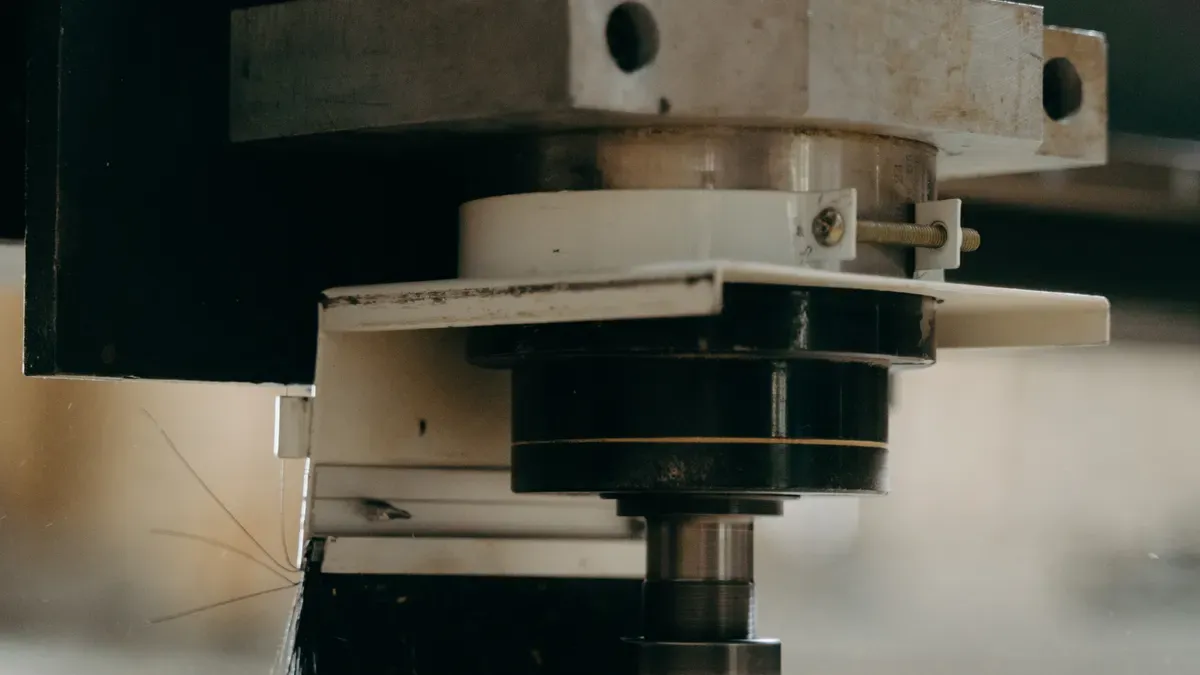
Ten manufacturers are the top in the furniture market for 2026. As a professional CNC panel saw manufacturer, KDT provides magnetic levitation CNC panel saws with a service network around the world. Nanxing delivers industrial automated lines. TechPro supplies high-volume beam saws. BCAM offers durable, low-cost models. Blue Elephant makes compact sliding table saws. WSI has a broad catalog. ANNT produces high-efficiency panel saws for wood panels. SCM Group is great at precision tools. Homag leads with software integration. Biesse offers production flexibility. Your ranking criteria look at what defines a professional CNC panel saw maker: saw class, cutting specs, and after-sales support. This post helps you compare these makers to your output goals to pick the best computer panel saws for your needs.
Key Takeaways
Pick the right saw class for how much you produce. This helps you avoid wasting money or slowing things down.
Look for ±0.1mm repeatability and correct cutting length to keep quality steady.
Connect software with the flow of materials to boost the whole line's efficiency, not just the saw's speed.
Figure out the total cost of ownership over five years, including upkeep and energy use.
Pick a maker that offers good service and training. This helps cut down on downtime.
What Makes a Professional CNC Panel Saw Manufacturer Stand Out
A professional cnc panel saw manufacturer must provide accurate cutting, the same results for each batch, and system integration for real furniture production. You check three things: if it fits your panel types, if it matches your daily output, and if it can boost efficiency across your workflow. These factors decide whether your investment pays off.
Fitness for Furniture Production
Furniture production needs the same panel sizes across thousands of cuts each day. A computer panel saw cuts MDF, particleboard, plywood, and laminated panels with precision. Repeatability at ±0.1mm is the normal standard for furniture manufacturing. Stack height must fit real batch patterns, not just the highest possible numbers. A saw that cuts a full stack of ten boards gives different output than one that only handles six. Think of the saw as one part of a full system. If your computer panel saw feeds parts faster than your cnc router or edge bander can handle, you build up work-in-progress piles instead of getting more output. Test the cut finish on your own materials before you buy. Check the edge finish on melamine and acrylic panels. These features set leading brands apart from average ones. The right panel saw gives steady quality that cuts down on rework. Saw performance directly affects your cnc router and drilling centers downstream. The whole line runs only as fast as its slowest machine.
Matching Manufacturer Strengths to Production Scale
Your output scale decides the automation level. Low-volume custom sizing works well with sliding table saws run by hand. Medium-volume batch consistency calls for a beam saw with press beam clamping and semi-automated features. High-volume nesting needs a fully automated panel sizing line with auto loading and labeling. The ten manufacturers named earlier cover this range. Pick a professional cnc panel saw manufacturer whose strengths fit your volume and material types. Spending too much on unused capacity wastes capital. Spending too little creates bottlenecks. Ask about how it performs in continuous daily use. Durability through shift-after-shift operation matters more than top features. Service network and spare parts decide your actual uptime. Woodworking factories should check software integration — file formats, barcode logic, and ERP connection. Focus on boosting efficiency through balanced material flow from storage to outfeed sorting. Real gains come from matching saw specs to your actual production system, not from buying more machine than you need.
Top 10 Panel Saw Manufacturers by Saw Class
You can put these ten makers into two main groups. Compact models work well for small shops with little floor space. Industrial and automated models are made for factories that run shifts all day. This split helps you match machine size to your real output.
Compact and Space-Saving Models
Blue Elephant CNC builds automatic sliding table saws for cabinets and furniture. These machines fit small to mid-size shops. A sliding panel saw from Blue Elephant handles miters and angles well. The FAQ evidence says that for miters, angles, and high-volume precision cutting, a sliding table saw from Laguna or Blue Elephant is better. Laguna also earns a spot for its compact sliding table designs. WSI Machinery offers a wide catalog of state-of-the-art panel saws. You can find a compact unit for your cabinetry workflow. ANNT produces panel, band, and table saws for high-efficiency cutting of wood-based panels. Safety Speed Manufacturing and SawTrax Manufacturing lead the vertical panel saw class. Safety Speed is a long-established maker of reliable vertical saws. SawTrax innovates with a patented Accu-Square alignment system. These two makers give you space-saving options for smaller furniture operations.
Industrial and Automated High-Volume Models
KDT stands as a high-end CNC woodworking machinery leader. This professional cnc panel saw manufacturer is listed on the Shenzhen Stock Exchange (stock code 002833). KDT developed the first domestically produced magnetic levitation CNC panel saw. The company runs an R&D center in Italy and exports to over 70 countries. Its product line includes edge banders, drilling machines, panel saws, and flexible automated lines. Nanxing Machinery delivers industrial-grade automated lines at competitive prices. Founded in 1996, Nanxing operates four production bases and ranks as a major Asian supplier. The company is one of China's earliest brands to realize home intelligent manufacturing Industry 4.0. TechPro supplies panel and beam saws for large furniture production. BCAM CNC offers durable, high-precision, cost-effective models with global after-sales service and training. Hendrick Manufacturing leads the horizontal beam saw class. Hendrick is the premier American manufacturer for horizontal beam saws and automated panel processing systems. Its computerized saws feature software integration, PLC controls, and material optimization. SCM Group excels at precision tools. Homag leads with software integration. Biesse offers production flexibility. A high-volume cabinet manufacturer can pair these automated systems with a cnc router for full-line efficiency.
The table below maps each saw class to its leading makers.
Saw Class | Leading Manufacturer(s) | Supporting Detail |
|---|---|---|
Vertical panel saws | Safety Speed Manufacturing; SawTrax Manufacturing | Safety Speed builds reliable vertical saws; SawTrax uses a patented Accu-Square alignment system |
Horizontal beam saws | Hendrick Manufacturing | Premier American maker for horizontal beam saws and automated panel processing |
Sliding table saws | Laguna; Blue Elephant | Superior for miters, angles, and high-volume precision cutting |
Computerized beam saws | Hendrick Manufacturing | Software integration, PLC controls, and material optimization |
These ten makers cover every scale. Your next step is to compare their cutting capacity and features against your own production numbers.
Key Performance Specifications That Separate Manufacturers
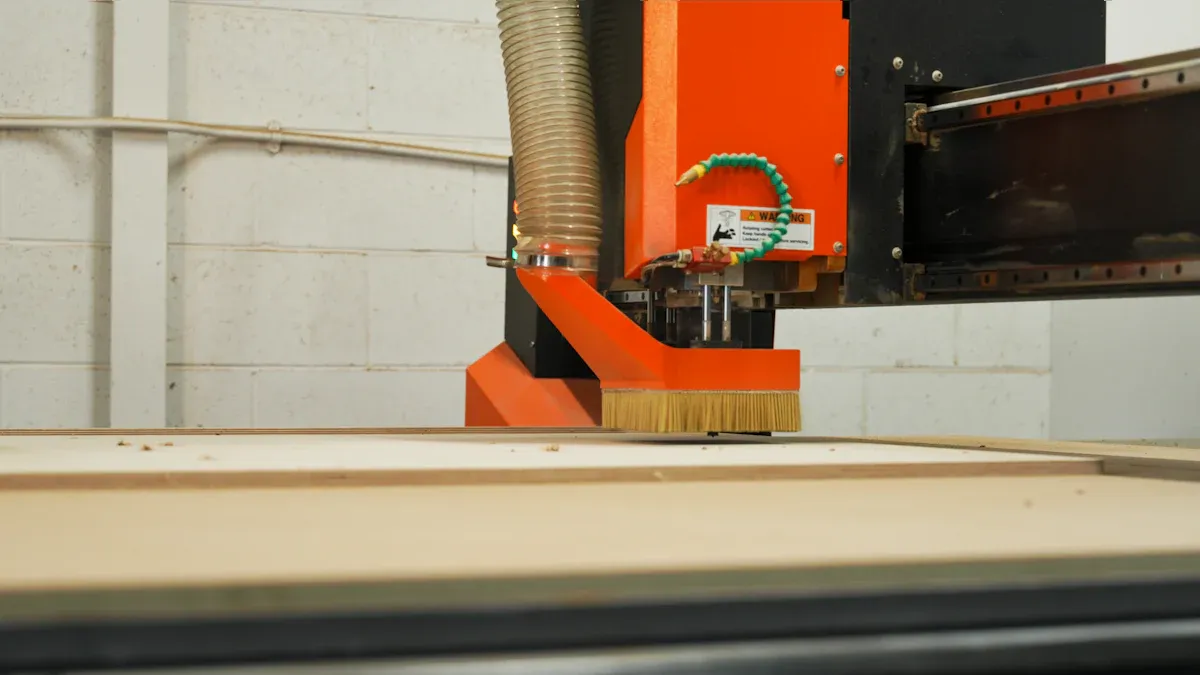
Cutting Length, Stack Height, and Repeatability
Cutting length and stack height show what your computer panel saw can do in each cycle. Industrial models differ here. The Prisma SPT gives you a 3800 mm cutting length and 120 mm stack height. The Matic SP 10′ offers 3300 mm, and the Matic SP 12′ reaches 3800 mm. These numbers matter for cabinet production. A longer cutting capacity lets you handle full sheets without moving them again. Stack height decides how many panels you cut each cycle. Taller stacks increase output for high-volume furniture manufacturing.
Repeatability sets average machines apart from top performers. You need the same results across thousands of cuts. The blade system's precision directly affects edge quality on melamine and laminated panels. Use ±0.1mm repeatability as your benchmark. This precision makes sure every batch meets your specifications. Durability through nonstop shifts matters more than peak features. A sliding panel saw with stable clamping and accurate guides gives high-quality results day after day.
Software, Nesting, and Computer Panel Saw Integration
Modern cnc panel saws must connect with your design software. This link cuts setup time and improves workflow efficiency. A high-quality computer panel saw talks directly with your production data. You avoid manual data entry errors and speed up changeovers.
Nesting software takes your cutlists and creates optimized cutting plans. PLUS 2D Wood is one example. It maximizes panel yields and works with panel saws, sliding table saws, beam saws, and cnc routers. The software looks at exact part dimensions, edgebanding allowances, and grain direction limits. It also counts trim cuts and kerf thickness. If the software uses a 3.2 mm kerf but your blade is 4.0 mm, final parts come out undersized. Optimization software usually improves material yield by 10% to 15%. A highly optimized layout reaches between 90% and 95% utilization.
The table below compares key specs across leading manufacturers.
Manufacturer | Cutting Length | Stack Height | Software Integration |
|---|---|---|---|
3800 mm | 120 mm | Full ERP and nesting support | |
Nanxing | 3800 mm | Not specified | Industry 4.0 ready |
TechPro | 3300 mm | Not specified | Standard optimization |
BCAM CNC | Varies by model | Varies by model | Compatible platforms |
Blue Elephant | Varies by model | Varies by model | Basic nesting |
WSI Machinery | Varies by model | Varies by model | Standard |
ANNT | Varies by model | Varies by model | Standard |
SCM Group | 3800 mm | 120 mm | Advanced integration |
Homag | 3800 mm | 120 mm | Full software suite |
Biesse | 3800 mm | 120 mm | Advanced integration |
Pick the best computer saws for your needs by matching these specs to your production goals. A cnc router downstream runs only as fast as your saw feeds it. Balance cutting capacity with your full line to get the most efficiency.
Look Beyond the Saw: Material Flow and Support
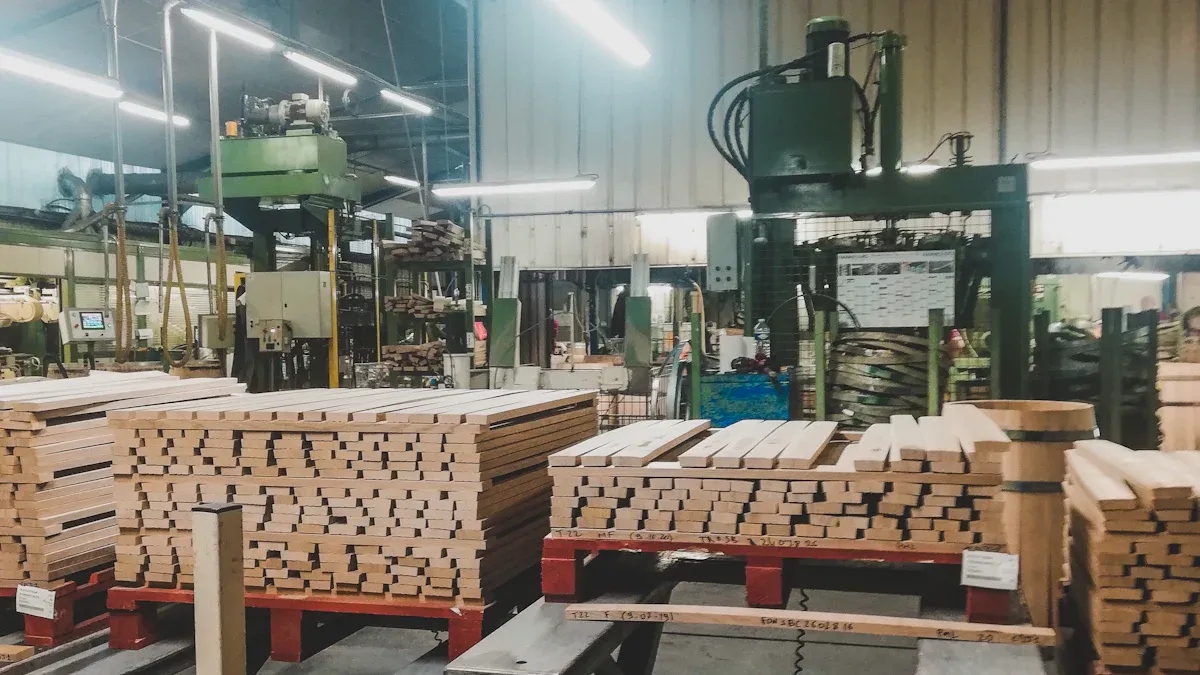
You need to think about more than just the panel saw. How materials move in your shop and the help you get will decide how much the saw runs and how much you produce. Dust removal and the layout of your factory affect how well the saw works in your space. The service network and training decide how fast you can fix problems.
Dust Extraction and Factory Layout
Dust removal keeps the saw blade accurate and the work area clean. For good woodworking, make sure the saw’s dust port fits your current dust system. A professional maker gives you built-in solutions. This single step makes the saw work better and cut cleaner.
Factory layout must let materials flow smoothly. You can use a self-driving robot to bring panels from storage to the saw. After cutting, an automatic forklift moves parts to the next machine. Automatic loading and unloading systems cut down on hand work. Roller conveyors and lifts keep parts moving. Adding these features to your saw is key to getting the most work done. The best makers help you plan this flow. They make sure height and panel position match your production goals. This method boosts total output.
Service Network, Spare Parts, and Training
Your computer panel saw must have strong backup. KDT gives online service, over 4,000 spare parts for fast delivery, and field engineers who come to your site. A full 12-month warranty gives you peace of mind. Blue Elephant has a team of over 50 people available 24/7 for sales, setup, and upkeep. This kind of support keeps your CNC router and other machines running.
Customers in Australia, UAE, and New Zealand get training from Blue Elephant. They get video guides, online help, and on-site service when needed. This training helps you learn how to use your equipment. You learn to keep the saw running well. Good support cuts downtime and protects your production. It also helps you use the full cutting power of your machine.
Online help and fast spare parts access are very important. You can contact experts for diagnosis and fixes. This support keeps the saw working well for a long time. If you also use a CNC router, one support team makes things easier. A reliable service network is a key point when you choose a professional CNC panel saw maker.
Buyer's Checklist for CNC Panel Saw Manufacturers
Production Fit and Throughput Questions
Begin with your own numbers. Ask each professional cnc panel saw manufacturer what materials and thicknesses you cut most often. Also ask if the machine has enough blade power and speed for those jobs. Then ask if your volume is small or large. Find out if automation removes bottlenecks without adding maintenance work. A busy shop may need automation, but too much of it raises downtime risk. Ask one more question: will this machine still fit your production in a year, or will it become obsolete?
Accuracy needs its own set of questions. Ask what cutting tolerance you need, like ±0.05 mm for high-end work. Ask how the saw keeps its alignment. A strong frame, good linear guides, and low vibration protect that precision. Request a sample test on your own panels before you buy. Test the software for cut optimization too. This step shows weak points and cuts waste. Check whether the automation and software fit your team's skill level. Also check whether the maker trains staff well. Complex systems slow you down when operators struggle with them.
Total Cost of Ownership Questions
Compare total cost of ownership, not just the purchase price. Ask about maintenance needs, spare parts availability, energy use, downtime risk, operator training, and expected service life. A machine with a higher upfront price can still win. It may reduce scrap, shorten processing time, or lower labor needs. A cheaper machine can cost 20–35% more over five years. Higher energy use and maintenance cause this.
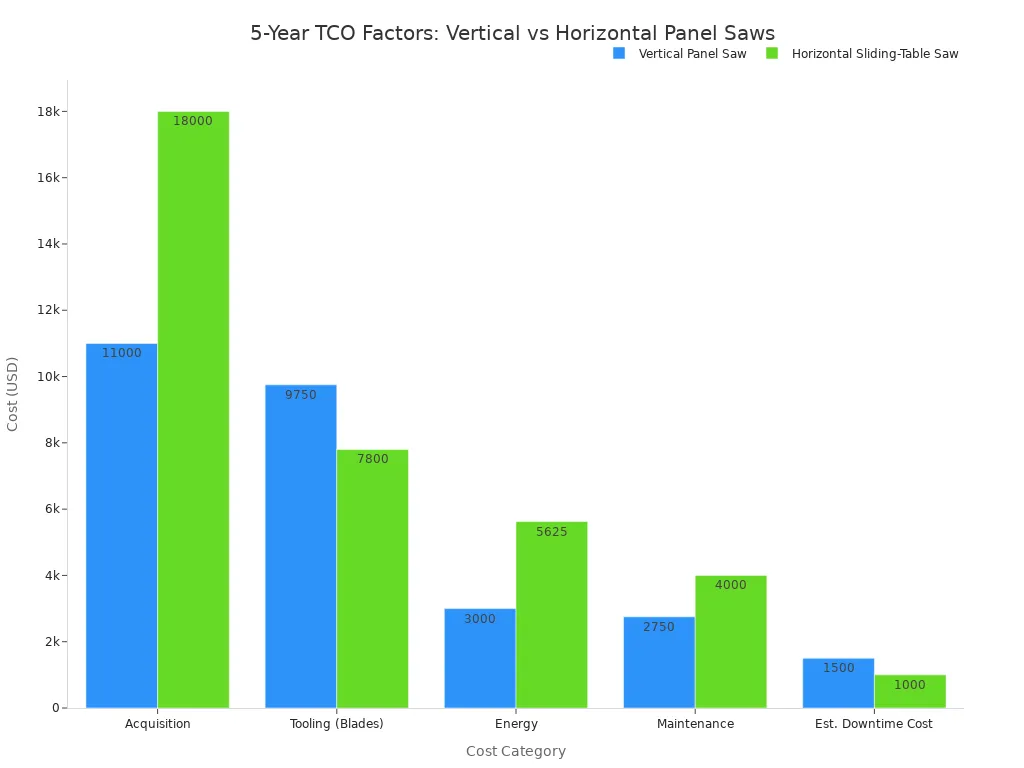
Ask how the saw manages idle power. Powering down idle CNC machines during breaks and overnight cuts electricity use by 20–60%. The exact amount depends on idle duration. That lowers operating costs and shortens payback. Ask about warranty coverage, the local service network, manuals, and spare-parts support. Operators without in-house maintenance skills face higher total cost of ownership. Use these answers to shortlist two or three makers from the top 10. Then request quotes and factory demonstrations.
Match your purchase to real output data. Track panels cut per shift, repeatability rates, and downtime reduction. These numbers show which cnc panel saw earns its place. Use the checklist and specification tables to shortlist two or three manufacturers from the top 10. Compare cutting length, stack height, and software integration against your own production goals.
Most shops achieve a full return on investment for a CNC saw within 12 to 24 months, depending on their production volume and local labor rates.
The right panel saw matches your saw class, performance specs, and service model to your actual workflow. Request quotes, sample cuts, or factory demonstrations. Bring your own numbers. Test quality, durability, and efficiency on your materials. Choose the best computer panel saws for your furniture production line, then verify features on your floor before you commit.
FAQ
Which manufacturer fits a small cabinet shop with limited floor space?
Blue Elephant CNC and Laguna make compact sliding table saws for small shops. These machines work well for miters and angles. You get good CNC power without taking up much room. Safety Speed and SawTrax also have vertical models. Pick a CNC machine that matches how much you actually produce.
What specifications matter most for high-volume furniture production?
Focus on cutting length, stack height, and repeatability. Big industrial models like KDT give you 3800 mm cutting length and 120 mm stack height. Look for ±0.1mm repeatability. These features keep your quality high across thousands of cuts. Your CNC router later needs consistent panel sizes.
How do I calculate the real return on a computer panel saw?
Count how many panels you cut per shift, check repeatability rates, and track downtime cuts. Most shops earn back their full cost in 12 to 24 months. A computer panel saw that is very durable lowers scrap and labor costs. Compare total cost over time, not just the price. Your CNC efficiency gets better when the saw feeds your line smoothly.
Why does after-sales support matter when choosing a manufacturer?
Strong support keeps your CNC running. KDT gives online service, over 4,000 spare parts, and field engineers. Blue Elephant offers 24/7 help and training. Good support cuts downtime and protects your work. A reliable service network makes your CNC router investment safer.
Can one manufacturer handle both my panel saw and cnc router needs?
Yes. KDT, Homag, and Biesse build full production lines. You get matched performance across all machines. One support team makes maintenance and training easier. This way boosts efficiency and reduces setup problems. Ask each maker about full-line fit before you buy.