
 English
 Greek
Greek Spanish
 Ukrainian
 Turkish
 Swedish
 Portuguese
 Russian
 German
 Bulgarian
 Arabic
 O'zbekcha
 Қазақ
ҚазақCNC drilling solution for cabinet components: what kind of supplier should you choose
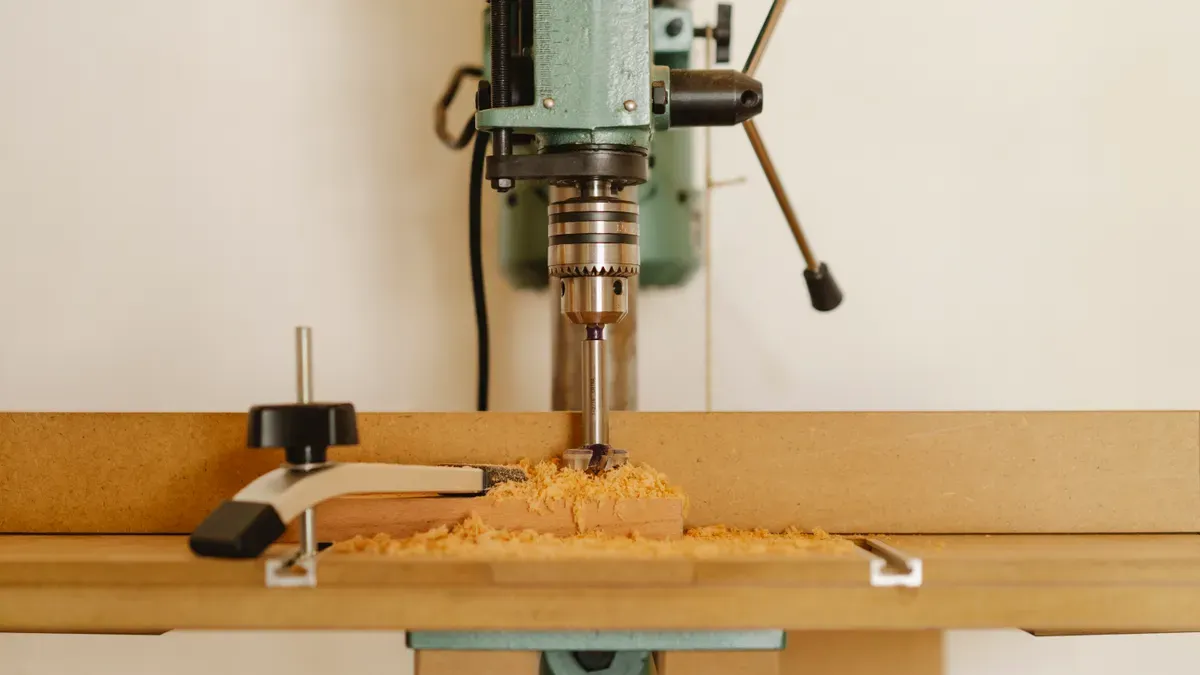
The right supplier for a CNC drilling solution for cabinet components has real know-how in cabinets, modern machines that work together, strong help after the sale, and clear value over time. You need a partner who gets your production needs, not just a seller who sells equipment.
This guide helps you judge suppliers of a CNC drilling solution for cabinet components in four main areas: know-how, machine and software skills, service and total cost, and reputation and growth. You will learn useful questions to ask, what to check, and how to compare choices fairly. Companies like KDT show what global manufacturing reach looks like, but your choice should be based on your own rules. Focus on drilling accuracy, panel handling, and support quality. These things decide your real return.
Key Takeaways
Pick a supplier who knows cabinets well to make sure the drilling is right and the parts fit.
Pick machine features that fit your production needs for efficient and cost-effective operation.
Check that the software works well with your design and building steps to keep things running smoothly.
Think about the full cost of ownership, like training and support, to get a better ROI.
Pick a supplier that has a clear way to upgrade, so you can handle future growth.
Choosing a CNC Drilling Solution for Cabinet Components
Why Cabinet-Specific Expertise Matters
Cabinet work needs more than general woodworking skills. You need shelf-pin holes, dowel holes, connector holes, hinge positions, and mounting holes on every panel. A general CNC router is made for cutting and shaping. A dedicated CNC drilling machine for cabinets must handle a different hole map for each board type.
Standard shelf-pin boring uses a 32 mm vertical pitch with 5 mm system holes and a 37 mm front setback. Hinge cups are usually 35 mm wide and 13 mm deep. These patterns repeat on side panels, shelves, and doors. A supplier without cabinet experience may not get multi-face drilling needs or how horizontal and vertical holes work together in one workflow.
How to Verify Supplier Experience and Track Record
Ask possible suppliers about their past cabinet projects. Ask for examples of how they deal with panel material, boring patterns, and edge banding compatibility. A strong supplier will explain how their cnc machine for cabinet making handles common tasks like cutting plywood and precise hinge drilling.
Check if their equipment works with software such as Cabinet Vision, Microvellum, or Mosaik. Also make sure they know that some knock-down connectors need manual side drilling. During cabinet manufacturing, one drilling mistake can hold up a whole kitchen shipment. Check their quality control processes and ask for customer references. A supplier with real cabinet making machine expertise will be glad to answer these questions.
Key Features of a CNC Machine for Cabinet Making
Comparing CNC Machines for Cabinet Making by Production Needs
The amount you produce decides the machine you need. A small shop that often changes products does well with a point-to-point CNC drilling machine and flexible programming. A factory that runs the same cabinet lines needs six-side drilling centers or multi-boring machines for steady, fast cycle times.
Spindle power matters when you cut plywood. A 3.5 kW to 9.0 kW spindle works for small and medium cabinet makers who cut MDF, plywood, and particle board. Industrial mass production needs the higher end of that range.
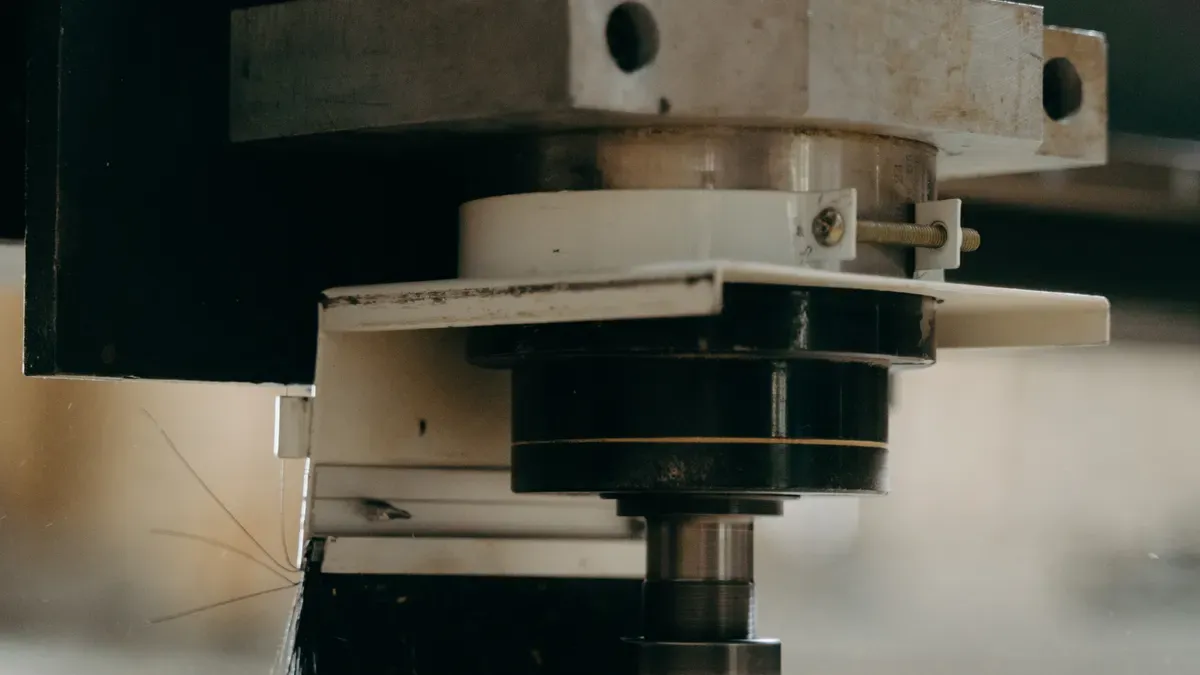
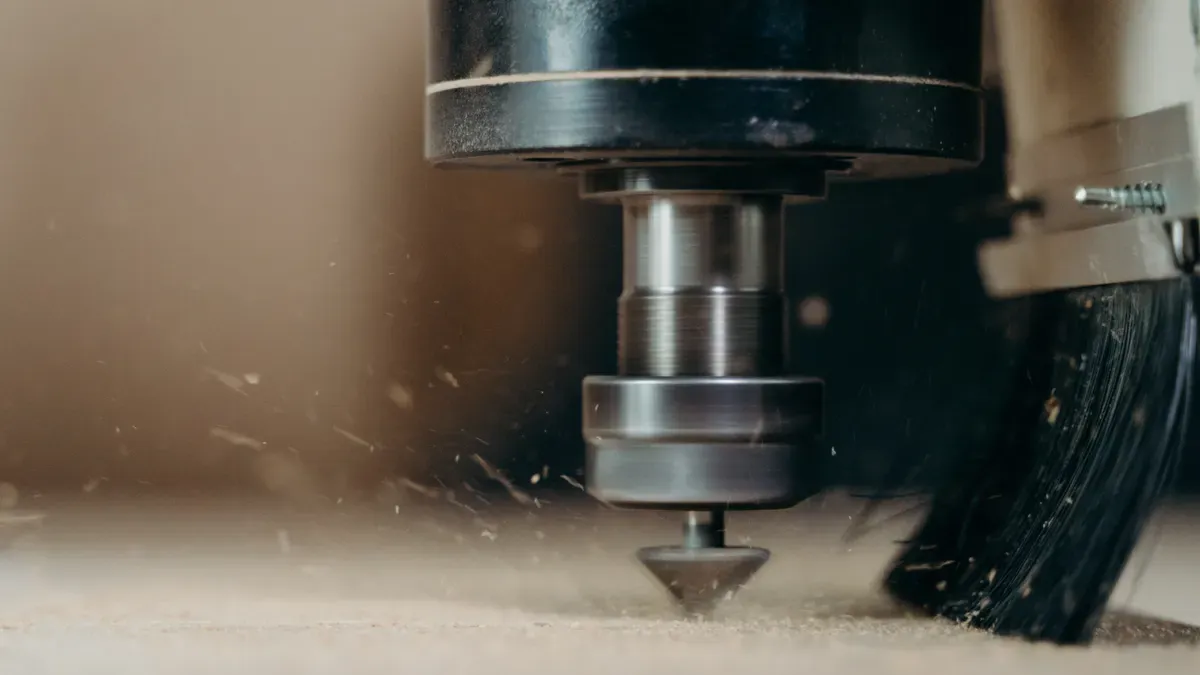
An automatic tool changer cnc router switches between drilling and cutting bits fast. A carousel or linear ATC changes tools without manual re-zeroing. A dedicated drill bank with a multi-spindle head bores many 32mm shelf pin holes at once, which cuts drilling time a lot. A high-flow vacuum table with multi-zone control holds full plywood sheets steady during cutting.
When you look at cnc machines for cabinet making, match the setup to your mix. Single drill groups handle lighter work. Dual drill groups boost output for higher-volume runs. An atc cnc machine with a drilling unit adds routing and grooving in one cycle for complex parts.
Confirming Software Compatibility for Drilling and Boring
Software integration decides how smoothly your cnc machine for cabinet making runs. Cabinet Vision gives you a modular design-to-manufacturing package. Parametric functions let you resize cabinets without reprogramming, and the software adds CNC machining on its own. Microvellum uses AutoCAD's drawing engine and gives output for many CNC machines. Mozaik makes cabinet designs with CNC integration.
Check that your cabinet making cnc router supports G-code generation and works with major CNC brands. Automated toolpath generation removes manual programming. Your atc cnc router for cabinet making should handle drilling, pocketing, dadoes, and joinery placement so parts come out ready for assembly.
Keep in mind that some knock-down connectors need manual side drilling. Put this step in your decision process. A cnc machine for kitchen cabinets with strong software compatibility lowers errors and speeds production. The best atc cnc routers for cabinet making link design straight to the drilling unit.
Support and ROI for a CNC Router for Cabinet Production
The true cost of a cabinet production machine is more than just the price you pay. You also need to plan for training, upkeep, and times when production stops. These things decide your return.
Training, Maintenance, and Ongoing Service
Every cnc machine for cabinet making needs skilled operators. Ask about training programs. Do they offer on-site sessions? Do they give manuals in your language? A good supplier teaches your team to handle drilling tasks, change bits, and fix errors. This training shortens your learning curve and stops costly downtime.
Maintenance is the second pillar of support. Your cnc router for cabinet production needs regular cleaning, lubrication, and calibration. Ask about spare parts lead times. A reliable atc cnc router has parts ready when something breaks. Check the after-sales service structure. Do they have local technicians? Some suppliers answer within hours. Others take days. Every idle hour stops your workflow. Pick a partner who keeps your machine running.
Balancing Initial Price with Long-Term ROI
Many buyers pick the cheapest machine first. This choice often leads to higher costs later. Training gaps and breakdowns eat into profits. Figure out total cost of ownership, not just the sticker price.
The table below shows how initial price relates to payback in real cabinet shops.
Machine tier | Initial price range | Typical payback | ROI implication |
|---|---|---|---|
Desktop/hobby CNC router | $2,000–$8,000 | 3–8 months | Fast breakeven; limited capacity; small custom parts only. |
Full-size 4x8 CNC router | $15,000–$60,000 | 8–18 months | Handles sheet goods and nested parts; ROI depends on utilization. |
Industrial CNC router | $20,000–$80,000 | 12–18 months at 60%+ utilization | Replaces multiple employees; reduces waste via nested cutting. |
Over-scaled purchase | $100,000 | Delayed or negative ROI | Unused capacity creates payment pressure. |
Think about one real example. A cabinetry shop invested $110,000 in an atc cnc router plus software. It recovered the entire cost in 12 months. The machine eliminated two employee positions and doubled output. A higher initial price can deliver strong returns.
The reverse also happens. Overinvesting in a machine larger than your workload delays payback. A $100,000 unit when a $20,000 cnc machine for cabinet making cost covers 90% of your work is a common mistake. ROI depends on utilization, pricing discipline, and matching capacity to real demand.
Choosing a Growing CNC Router for Cabinet Manufacturing
Growth matters more than today's workload. A machine that can handle next year's work avoids costly slowdowns. You need a cabinet cnc router with a real upgrade path.
Checking References, Reviews, and Reputation
Ask each supplier for references. A similar buyer can prove the supplier's claims. Ask about machine runtime, software, and service speed. Ask for at least two customer contacts. Get response times in writing.
Compare reviews. Biesse, HOMAG, SCM, and KDT all work in the cabinet sector. Biesse is known worldwide for quality. HOMAG is best at precision. SCM uses OPC UA and umati for digital integration. KDT is a public company. It has an R&D center in Italy, factories in Guangzhou and Foshan, and sells to over 70 countries. These facts help make a shortlist. They do not replace direct checks. Inspect panel transfer, spindle vibration, and the operator interface.
Evaluating Supplier Flexibility and Growth Support
A supplier that can grow offers a clear upgrade path. Add-on options add capacity as orders grow. Automated loading and unloading systems match production pace. Large table sizes handle full panels. High-speed controllers keep accuracy at peak output.
Machine Tier | Hourly Parts | Daily Parts |
|---|---|---|
Entry-level CNC router | 110–250 | |
Mid-range cnc nesting machine | 30–80 | 310–570 |
Automated labeling CNC router | 70–160+ | 630–1200+ |
This table shows when you need a cnc nesting machine for cabinet work. High-output shops need that capacity. Industrial cnc nesting machines run all the time.
An atc cnc router can switch tools for drilling and routing. An automatic tool changer cnc router cuts downtime. A second atc cnc router can run overnight. Choose an atc cnc router for cabinet manufacturing with the right drill bank. Compare atc cnc routers for cabinet work and check nesting-based manufacturing.
Software also controls growth. A cnc machine for cabinet making should nest parts from full sheets. A cnc machine for cabinet manufacturing should accept complete jobs from design software. Windows-OS compatibility makes setup easier. After-sales service controls uptime. A fast local team makes expansion possible.
Pick a supplier with cabinet know-how, reliable machines, compatible software, fast support, fair prices, and room to grow. That mix protects your investment well.
Make a shortlist. Ask specific questions about your cnc drilling solution for cabinet components. Request customer references. Run test parts on their machine. Compare total cost of ownership, not just sticker price. These steps reveal the truth behind sales claims.
Look past one purchase. You want a long-term automation partner who knows panel handling, boring patterns, and your growth plans. A supplier like KDT may meet every need. If not, keep looking until the fit is clear. Your cabinet production depends on this choice.
FAQ
What should you look for in a cnc drilling solution for cabinet components?
Look for experience with cabinets, accurate boring patterns, and steady panel handling. Your supplier should know hinge drilling, shelf-pin spacing, and edge banding needs. Ask for references from other cabinet shops. A strong partner shows their track record with real production data.
How do you choose between a cnc nesting machine and a point-to-point drill?
Your production volume makes this choice. A cnc nesting machine fits shops that cut full sheets and need flexible routing. A point-to-point machine works for smaller batches with frequent changeovers. High-output factories often run several cnc nesting machines for steady throughput. Match capacity to your real demand.
Which software works best with a cnc machine for cabinet making?
Cabinet Vision, Microvellum, and Mozaik all work well with modern cabinet cnc machines. Check that your cnc machine for cabinet making supports G-code output and automated toolpath generation. Software compatibility cuts programming errors and speeds up your drilling workflow.
Why does an atc cnc router matter for cabinet manufacturing?
An atc cnc router switches tools on its own without manual re-zeroing. This cuts downtime during cabinet manufacturing. An automatic tool changer cnc router handles drilling, routing, and grooving in one cycle. For busy shops, atc cnc routers for cabinet making keep production flowing without constant operator intervention.
How do you evaluate long-term value from a cnc router for cabinet production?
Figure out total cost of ownership, not just sticker price. Include training, spare parts, maintenance, and uptime. A cnc router for cabinet production with strong support pays back faster. Compare atc cnc routers for cabinet work by service response times and upgrade paths. A cnc router for cabinet manufacturing should grow with your business.
What separates reliable atc cnc routers for cabinet making from cheaper options?
Reliable atc cnc routers for cabinet making offer local service, proven drilling unit accuracy, and spare parts availability. Cheap alternatives often lack support, which causes costly downtime. Ask for customer references and test parts. A dependable atc cnc router protects your investment over years of production.