
 English
 Greek
Greek Spanish
 Ukrainian
 Turkish
 Swedish
 Portuguese
 Russian
 German
 Bulgarian
 Arabic
 O'zbekcha
 Қазақ
ҚазақChoosing the Right Factory Automation Supplier for Your Panel Furniture Line
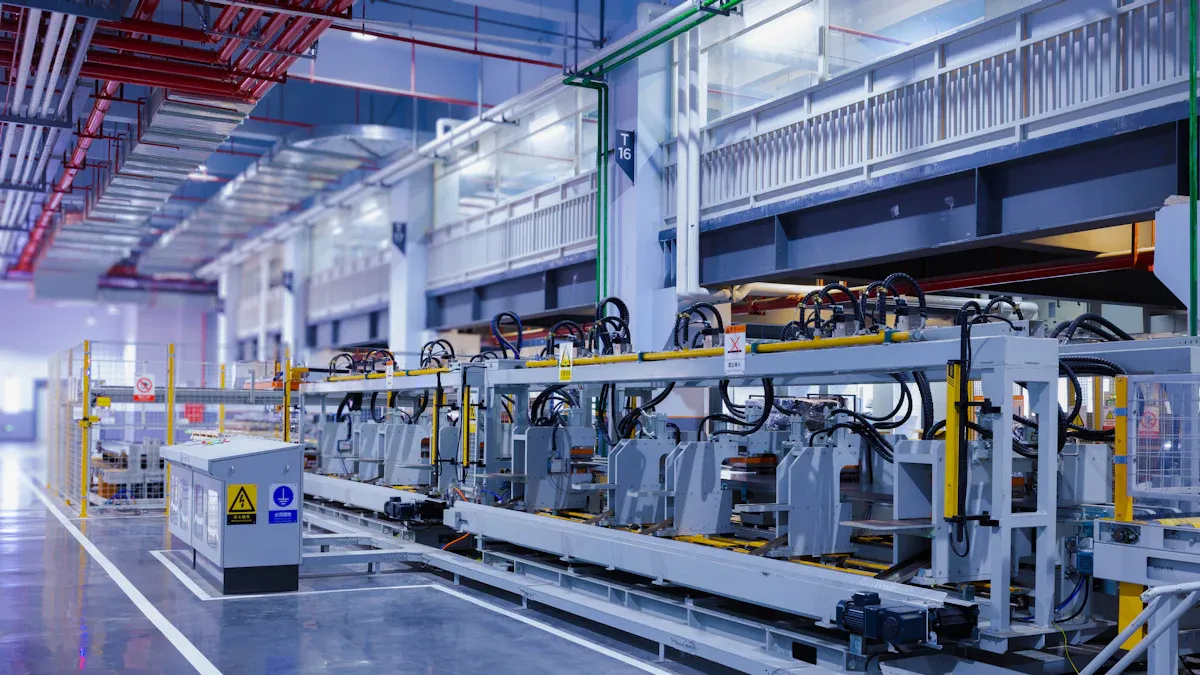
Choosing a long-term automation partner for your panel furniture line is a very important decision. This choice will affect how well your factory runs for many years. How can you check a factory automation supplier to make sure you get a full automated panel processing system, not just a bunch of separate machines? The key is to know the main parts of the line, the benefits of automated furniture making, and how to match supplier strengths with your production problems. You will learn how to look at technology options, integration skills, and support after the sale. Use top companies like KDT as your guide. Their full furniture production line shows how connected panel processing brings real improvements. Your plan for checking suppliers starts here.
Key Takeaways
A full automated line needs machines and software that work together, not just separate pieces of equipment.
Find a supplier that provides good setup help, training, and support after the sale to keep your line running without delays.
Automation boosts material yield by 10-15% and keeps quality steady through repeatable steps.
First, find the part of your production that slows everything down. Then you can pick the right automation fix.
Pick a partner that has worldwide help and technology that can grow with you over time.
Building an Automated Panel Furniture Line: Core Components
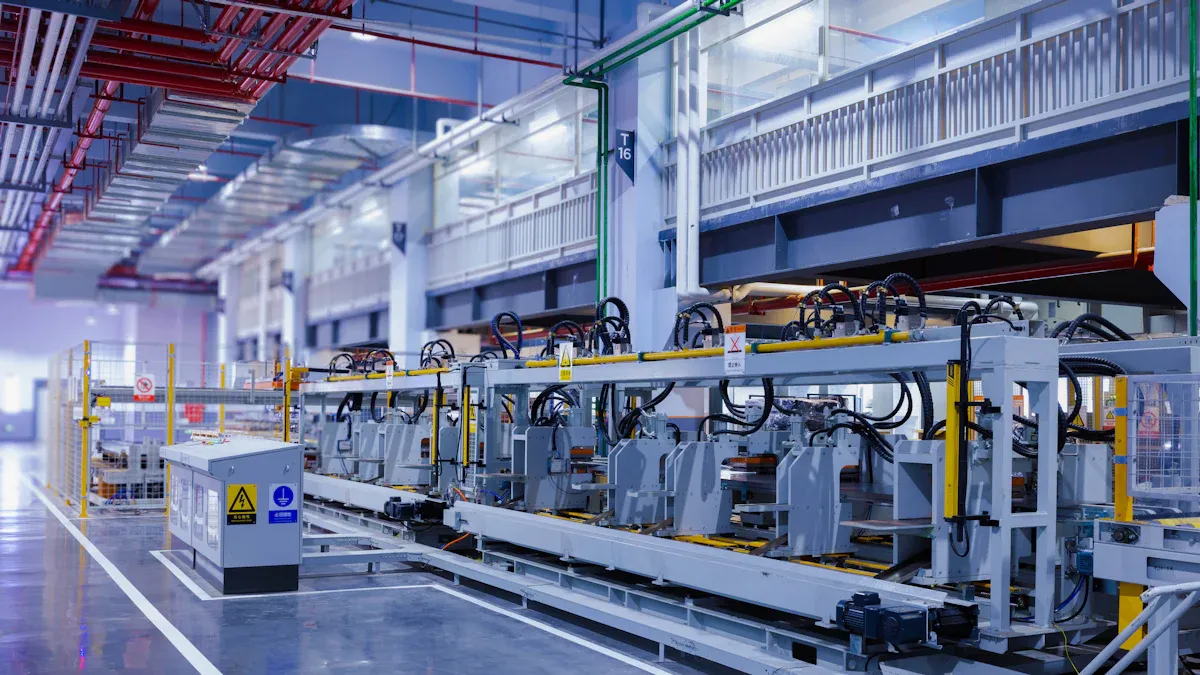
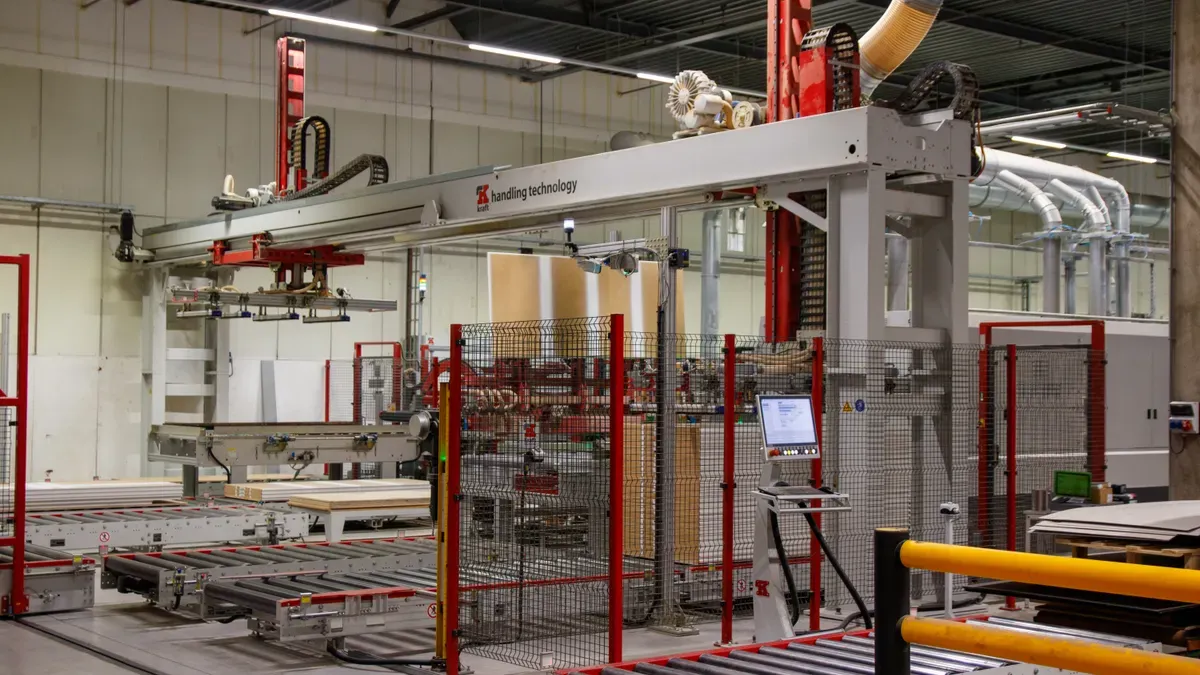
A complete automated panel processing ecosystem begins with material handling. You need to evaluate how a factory automation supplier manages panel storage and flow before you examine any single machine. Automated vertical warehouses store panels in dense towers. The warehouse management system tracks every board's location and age. This system enforces First-In-First-Out rotation automatically. Manual warehouses struggle with this discipline. Your operators stop searching for materials when the system retrieves panels within seconds. The storage solution must feed raw panels directly to the cutting stage without forklift intervention. This continuous supply keeps your downstream equipment running at rated capacity throughout the shift.
The integration between storage and cutting matters more than the individual components. A well-designed automated furniture production line links these stages through software. The control system schedules panel retrieval based on your production orders. It prioritizes urgent jobs and optimizes material usage across multiple orders simultaneously.
Evaluating Panel Storage and Material Flow Systems
You should assess storage density and retrieval speed when comparing suppliers. Vertical warehouses scale from single-tower to multi-tower configurations as your production grows. This modular expansion avoids costly overhauls later. The system should also free floor space around your machines. Clear operating areas improve worker safety and workflow efficiency.
Automated guided vehicles or conveyors transport panels between storage and processing stations. These systems eliminate the variability that comes from shift changes or operator fatigue. They work continuously without breaks. Your cutting machines never wait for a forklift operator who happens to be available. The automated flow also prevents sequencing errors that compromise batch-size-one production requirements.
Assessing Cutting, Drilling, and Edge Banding Technology
The heart of your furniture production line lies in three machine types. Panel saws perform the initial breakdown of large boards. Look for an intelligent cutting system with magnetic levitation technology. KDT's magnetic levitation CNC panel saw represents a benchmark for precision and speed. It achieves sub-millimeter board edge precision while moving at maximum feed speeds around 36 meters per minute.
CNC drilling machines handle the connection points for hardware. Five-sided drills process all panel faces in a single pass. A typical cycle time for these machines ranges from 20 to 30 seconds per panel. This translates to approximately 120 to 180 panels per hour. You should verify that the drilling machine handles dowels, cams, and hinges without tool changes slowing production.
Edge banding completes the visible quality of your product. An automatic edge banding machine applies PVC, ABS, or veneer strips using PUR or EVA adhesive systems. KDT's flexible high-speed edge bander uses maglev-driven technology for smooth operation. This automated edge banding system trims, polishes, and finishes edges in one continuous process.
For complex shapes, you need cnc nesting machines. These machines use high-torque spindles and vacuum tables to secure panels during material nesting and cutting operations. The nesting CNC machine routes parts from a single board with optimized layouts that maximize yield.
The best automated furniture manufacturing approach synchronizes all these phases through central software. Each machine's PLC communicates with the control system to prevent bottlenecks. Your factory automation supplier should demonstrate how their equipment works as one connected ecosystem rather than standalone machines.
The Complete Automated Panel Processing Ecosystem: Integration and Software
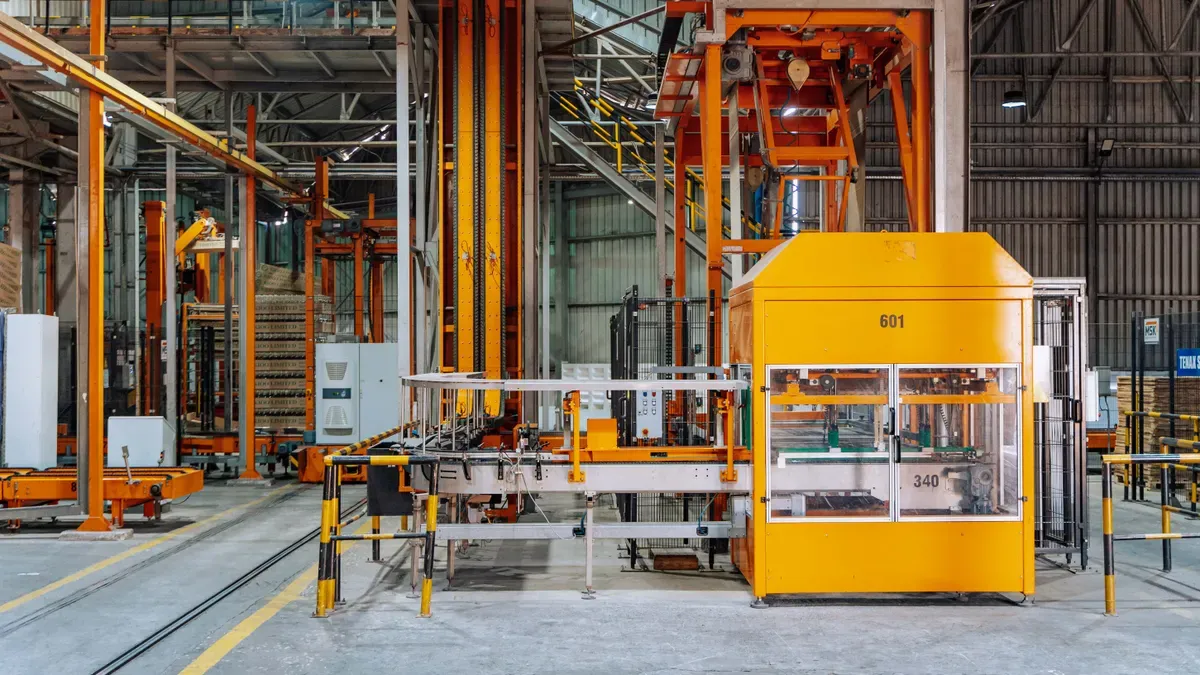
The real power of automation comes from how well all parts work as one. A good factory automation supplier should give you software that links your whole furniture production line, from order entry to finished goods. Individual machines matter, but they become much more useful when they share data smoothly.
The Role of Control Software and Data Flow
Your control software acts like the brain of the operation. MES/MOM platforms, CAD/CAM software, and production planning systems work together to manage every step. These systems connect your warehouse, panel saw, edge bander, and CNC machines into one unified workflow.
Modern systems use the idea of an "intelligent workpiece." Each panel carries its own production information between machines. This approach ensures data continuity across the entire automated panel processing ecosystem. You remove manual data entry and the errors that come with it.
Traceability becomes easy with the right software. All panels receive QR codes at the start of production. You can track each piece by machine, operator, and lot. Orders from B2B portals drop directly into your production plan without re-keying. This automatic flow reduces delays and mistakes.
Dispatch verification adds another layer of protection. Multi-part flat-pack products get checked by barcode at the box level. The system blocks shipment if any part is missing. You never send incomplete orders to customers again.
Data standards matter for connectivity. Modern protocols like OPC UA and MQTT enable machines from different vendors to communicate. Native PLC protocols such as Siemens S7 and Modbus TCP connect legacy equipment too. Your supplier should show how their software handles these standards.
Ensuring Seamless Interlinking and Scalability
Your automated furniture production line must grow with your business. A scalable ecosystem allows you to add robotic packaging or sorting systems later. You avoid replacing your entire line when demand increases.
Look for suppliers who invest in their ecosystem over time. KDT's strategic acquisition of Masterwood in 2018 shows commitment to expanding capabilities. This merger brought Italian technology into their portfolio. The result is a broader range of solutions for automated manufacturing.
A fully integrated production system gives you real-time visibility. You track production progress, downtime, and costs from one dashboard. This single source of truth helps you make better decisions daily.
End-to-end integration and intelligent control change how you operate. Your team spends less time on manual coordination. They focus on optimizing processes instead. The right partner provides training and support to keep your system running smoothly.
Panel processing becomes more predictable with proper integration. You reduce waste, improve quality, and increase throughput. Your furniture production line operates as one cohesive unit rather than separate islands of automation.
Choose a partner who understands the complete picture. Your success depends on how well your machines, software, and people work together. Automated furniture manufacturing delivers its full potential only when every element connects seamlessly.
Benefits of Automated Furniture Manufacturing for Your Business
Automated furniture manufacturing brings clear gains that help your profits. When you check a factory automation supplier, you should link their machine abilities to these real results. The right equipment improves how you work in efficiency, quality, and safety.
Achieving Efficiency, Throughput, and Material Yield
Your furniture production line makes more products when machines handle repeated jobs without getting tired. A fast furniture production line with automatic feeding systems keeps cutting and drilling stations running all the time. Workers no longer slow things down by measuring each panel by hand. Instead, they watch the process and manage finished parts.
Material yield gets much better with nesting optimization software. This tool finds the best way to cut panels from raw boards.
According to industry data, nesting optimization software typically improves material yield by 10% to 15% compared to manual planning.
This improvement turns directly into cost savings. You buy fewer raw panels for the same amount of output. Your waste disposal costs also go down.
Labor productivity rises with automation too. Factories that use automated technologies get more output per worker than older methods. Standard parts and automated steps let you produce more with the same number of workers. Your team works on valuable tasks instead of repeating measuring and positioning.
A modern furniture production line stops measurement errors at the start. Old methods need repeated marking, checking, and placing. Each step gives human mistakes another chance to happen. Automated systems use set dimensions to place material the same way every time. Once you enter a measurement, the system puts the material in the same spot for every cut. This sameness removes the differences that cause expensive errors.
Ensuring Quality Consistency and Traceability
Quality stays the same when every panel follows the same exact process. Your edge bander applies trim and polish the same on each piece. Your CNC drill places holes at exact spots every time. This repeatability builds customer trust in your products.
Traceability makes your quality system stronger. Automatic labeling systems mark each finished board with details. You track every panel through the whole production process. When defects show up, you find where they came from and fix the problem. Digital inspection logs record defect images, counts, and results. This data helps you spot trends that lead to better processes.
Worker safety improves along with product quality. Automated material handling systems move heavy panels steadily, reducing strain on workers. You cut down on manual tasks that cause body injuries over time. Your employees work in a safer place with better conditions.
Custom furniture manufacturing becomes possible with automation. You handle mass customization without losing speed. Each panel carries its own production data, so you make unique pieces in any order. Your smart furniture factory adjusts quickly to new customer needs.
A dependable factory automation supplier offers training and after-sale support to keep these benefits going. Your high-performance furniture production line needs skilled operators and regular maintenance. Pick a partner who cares about your team's success. This partnership keeps your production improving year after year.
Aligning Supplier Capabilities with Your Production Needs
Identifying Your Operational Bottlenecks
Start your supplier search by looking closely at your own factory. Ask one simple question: "What is my current bottleneck?" The answer might surprise you. A mid-sized cabinet maker in Southeast Asia learned this lesson firsthand. They upgraded to a fully automatic edge bander that could run 20–24 meters per minute. But actual production output only rose about 12%. The bottleneck was not the edge banding machine's speed. It was material handling. Workers spent a lot of time sorting parts, loading panels, and organizing finished pieces. They had put heavy investment into machine capacity that upstream and downstream steps could not keep up with. Only after adding roller conveyors and changing the workflow did machine use reach expected levels.
This example teaches you a key lesson. Production systems beat individual machines. Finding bottlenecks means looking at the whole material flow, not just the machine's rated speed. Compare your current methods against modern automated furniture manufacturing standards. Traditional edge banding depends on manual measuring and dial adjustment. Automated systems use barcode or QR code scanning with direct MES integration. One-click auto-setup through servo motors takes seconds instead of causing long machine downtime. Built-in sensors watch glue and pressure in real time. This proactive approach spots issues right away, rather than finding them after visual checks.
Think carefully about your edge banding method. Manual application uses hot-melt glue by hand. It fits small workshops but creates uneven edges and unstable quality. Semi-automatic machines heat, feed, and press materials while workers handle finished products. They offer moderate production capacity for medium-sized factories. Automatic machines handle pre-milling, gluing, belt feeding, pressing, end cutting, trimming, and polishing. They deliver steady quality and high efficiency for large-scale panel furniture production facilities. Your choice directly affects production efficiency and quality consistency.
Benchmarks help you measure where you stand. Edge banding feed speeds range from 3–5 m/min for small panels up to 8 m/min for medium panels. Documented process settings achieve up to 25% faster cycle times. Edge adhesion strength should exceed 25 N/cm for PVC edges when tested via peel test. These numbers give you a baseline for checking your own operations and comparing supplier claims.
Evaluating Integration, Training, and After-Sales Support
The right factory automation supplier acts as a partner, not just a vendor. You need to check their global support network and research investment. KDT has a presence in over 70 countries. Their R&D center in Italy brings European technology into their portfolio. This commitment signals a supplier who will grow with your business.
Prevent downtime from poor support by following a clear process. Verify on-site installation and operator training before signing any contract. Prioritize turnkey packages that include installation and training as standard. Confirm at least a 2-year warranty and lifetime remote technical support. These steps protect your investment from day one.
After-sales service directly cuts unplanned downtime through several channels. Installation assistance gets your line running correctly from the start. Operator training ensures your team uses the equipment properly. Maintenance guidance prevents small issues from becoming major failures. Spare parts availability means you never wait weeks for a replacement. Technical communication, including timely remote troubleshooting and on-site emergency support, guards against severe production interruptions.
The cost of a poor supplier choice goes beyond the invoice. Downtime, quality rejections, and missed delivery deadlines can eat away your margin. A thorough vetting process focusing on certifications, integration capability, and after-sales support will pay off. From experience with industrial clients running 24/7 production, those who partnered with suppliers that take after-sales service seriously had the smoothest operations and lowest total cost of ownership. A single week of unplanned downtime—caused by slow support or lack of spare parts—loses far more value than any initial cost savings from a cheaper supplier.
Your furniture production line depends on this partnership. Strong after-sales support means problems get diagnosed and resolved quickly. Spare parts arrive when needed, not weeks later. This reliability keeps your automated furniture manufacturing running at peak performance. Choose a supplier who understands your complete panel processing ecosystem. Your future success depends on this alignment.
You now see the connection between machine components and business results. Each automated station feeds the next, creating a complete panel processing ecosystem. The right supplier delivers more than equipment. They provide software integration, training, and global support that keep your furniture production line running smoothly.
Build your supplier checklist from this guide. List your bottlenecks, compare technology portfolios, and verify after-sales service. Ask about scalability and software connectivity before signing contracts.
Choose a partner who understands automated furniture manufacturing deeply. A well-selected supplier like KDT transforms your factory into a future-proof operation. You gain higher quality, better efficiency, and lasting competitive advantage in furniture manufacturing.
FAQ
How long does it take to install an automated furniture production line?
Most complete lines install within 4 to 8 weeks. Installation includes machine setup, software configuration, and operator training. Your team should plan for a phased startup. This approach lets you maintain some production while new equipment comes online. A reliable supplier coordinates all installation steps for you.
What training does my team need for automated furniture manufacturing?
Your operators need basic machine interface training. Your maintenance staff needs deeper technical instruction. Most suppliers provide both at installation time. Plan for one to two weeks of hands-on training. Your team will gain confidence through guided practice on real production runs. Follow-up sessions help with advanced features.
Can I integrate my existing machines with new automation?
Yes, if your current machines support standard communication protocols. OPC UA and MQTT enable connectivity across different brands. Your supplier should assess your existing equipment first. They can recommend adapters or controllers to bridge older machines. This approach protects your previous investment while adding new capabilities.
How does a factory automation supplier handle spare parts delivery?
Leading suppliers stock critical components in regional warehouses. You receive replacement parts within 24 to 72 hours. Your supplier should provide a recommended spare parts list for your specific line. Keep these items in your own inventory for immediate repairs. This strategy minimizes downtime significantly.
What is the typical payback period for automated panel processing equipment?
Most manufacturers see payback within 18 to 36 months. Your actual timeline depends on labor savings, material yield improvements, and increased throughput. Calculate your current costs per panel first. Compare that number with projected automated costs. This comparison gives you a realistic payback estimate for your furniture business.