
 English
 Greek
Greek Spanish
 Ukrainian
 Turkish
 Swedish
 Portuguese
 Russian
 German
 Bulgarian
 Arabic
 O'zbekcha
 Қазақ
Қазақ5 Tips to Choose the Right Machine Manufacturer
The machine manufacturer you choose affects your uptime, edge quality, and long-term costs — not just the purchase price. Many buyers focus only on specs or discounts and later regret that choice. A structured evaluation method is essential.
You need clear criteria before you start looking at suppliers. Focus on five areas: reputation, machine quality, after-sales support, pricing and value, and customization and scalability. These practical checks work for any production line, including edge banding equipment.
Use them for every candidate you consider. This proven approach helps you choose an edge banding unit that runs reliably for years while fitting your budget and future growth plans. These criteria work together to prevent costly mistakes.
Key Takeaways
Look at a manufacturer's reputation by checking how many years they have been in business, their certifications, and customer references. This shows if they are stable.
Check machine quality by looking at key parts: blades, sensors, and press roller alignment. Automation and precision affect how well edge banding works.
Check the support you get after you buy: training, spare parts, and remote help. Quick support means less time your machine is broken.
Compare the full cost of owning it, not just the price to buy it. A dependable machine pays you back fast.
Choose a maker offering customization and scalability. Plan upgrades through modular equipment.
Tip 1: Check the Machine Manufacturer's Reputation
Verify Industry Track Record and Years in Business
A long history in the market shows you a machine manufacturer has made it through real production conditions. Longevity is a sign of reliability and expertise. You can check this by looking at how many years the company has operated, what certifications it holds, and where it ranks in the industry. Look for ISO 9001 and CE marks, which show that a machine meets global safety and quality rules. Industry rankings and published reviews also help you find top suppliers. For example, KDT is listed on the Shenzhen Stock Exchange, exports to over 70 countries, and ranks among China's Top 500 Machinery Enterprises. These facts give you a quick picture of scale and stability.
Request References and Real Customer Feedback
Ask any auto edge banding machine supplier for customer references before you commit. Case studies and direct talks with past buyers show how a machine performs in daily work. You should also visit installed machines when possible. Watch how the edge banding holds up after months of use. Check export markets too, since selling into demanding regions proves a product meets varied standards. Online forums and professional networks offer honest user reviews from peers in woodworking and furniture manufacturing. Pay attention to patterns in user reviews about delays or weak support. One industry study found that 55% of manufacturers prioritize customer support over price, so strong feedback on service matters. When you compare auto edge banding machine manufacturers, weigh these user reviews against marketing claims. A responsive auto edge banding machine manufacturer will welcome your questions and connect you with real users. That openness separates reliable partners from risky ones.
Tip 2: Assess Automatic Edge Banding Machine Quality
Key Features to Look For in Build and Components
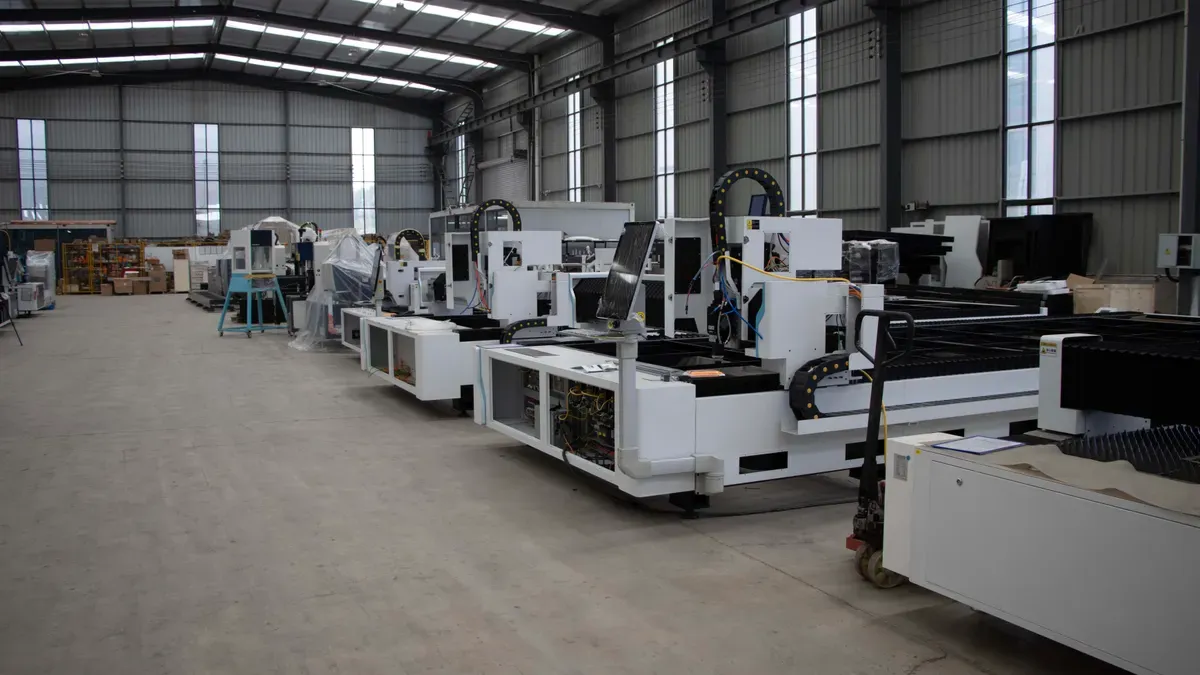
You judge an automatic edge banding machine by its parts, not its paint. Check the transport chain block, cutting blades, trimming tools, sensors, guide rails, bearings, and pneumatic cylinders. Dull blades tear the panel edge, so inspect them daily. Clean the glue pot and nozzles every day with approved solvent. A clogged pot causes uneven bonding and a visible glue line.
Stable air pressure matters too. Most modern edge banding machines need steady pressure between 0.6 and 0.8 MPa. Ups and downs hurt press roller consistency, end trimming accuracy, and tool engagement. A compressor that is too small creates random quality problems. Operators then fix things by hand, so quality depends on experience instead of a steady process.
Experienced cabinet makers look past spindle power or feed speed. They check press roller alignment, glue temperature control, and the pre-milling unit. These key features to look for decide whether your edge banding holds up after months of production.
Automation, Speed, and Precision Specifications
Compare automation first. A full automatic edge banding machine runs pre-milling, gluing, banding, trimming, scraping, and polishing inline. PLC touchscreen controls and independent high-frequency motors cut manual finishing steps. Pre-milling and corner-rounding units separate good machines from average ones.
Speed needs context. Feed speed on full automatic edge banding machines commonly runs 12–30 m/min. Ask about real cycle time, automatic setup, and changeover time instead of the advertised maximum. Precision covers a clean 90-degree substrate, trimming accuracy, edge profile radius such as R1/R2/R3, and uniform pressing for bond strength.
Test quality with your own boards. Common defects reveal weak points fast:
Defect | Likely Cause | Function to Check |
|---|---|---|
Peeling edge band | Weak glue contact or wrong adhesive | Glue system, pressure rollers |
Black glue line | Glue amount, color mismatch, poor scraping | Glue control, scraping |
Chipped panel edge | Poor cutting before banding | Pre-milling |
Rough top or bottom edge | Inaccurate trimming | Fine trimming |
Sharp exposed corners | No corner finishing | Corner rounding |
Tip 3: Evaluate After-Sales Support and Service
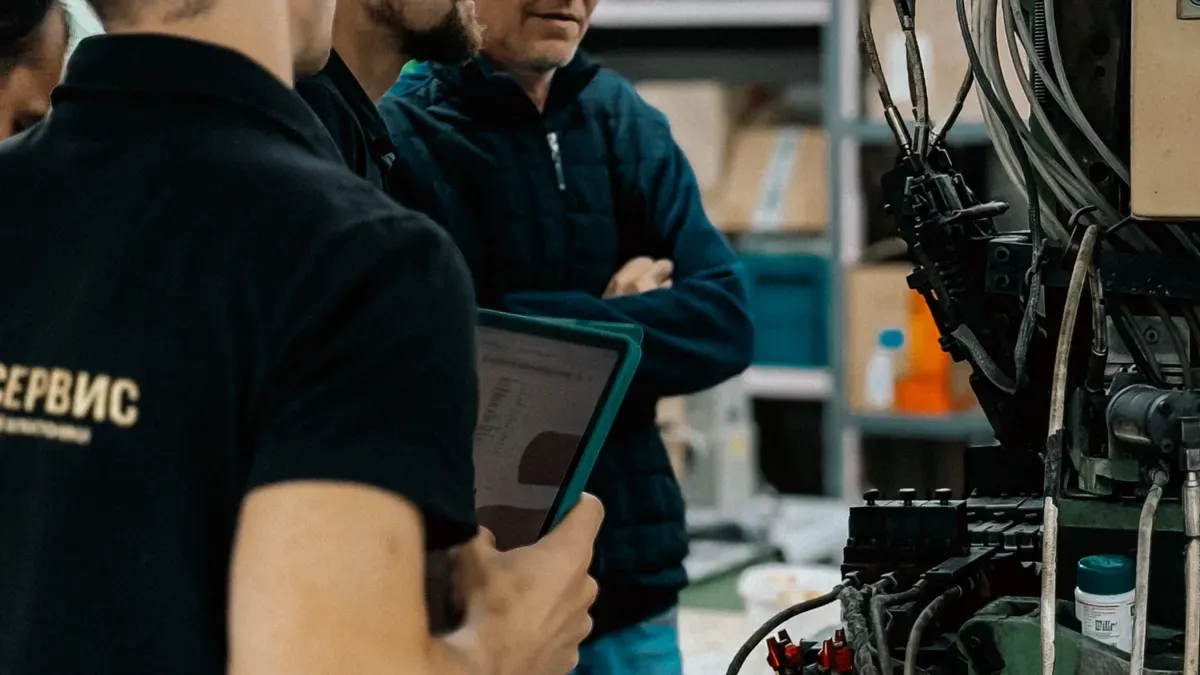
Training, Installation, and Technical Assistance
Small problems with an edge banding machine can turn into big delays. A loose trimmer or a thermostat that drifts can stop your line for hours. Good support keeps your edge banding running. Before you buy a full automatic edge banding machine, ask about installation, operator training, and response times.
A strong machine manufacturer offers remote PLC access to find faults in real time. Look for support teams that speak many languages and video guides for setup. One furniture maker in Bordeaux bought an automatic edge banding machine with a PUR hot-melt gluing system. Three months later, the glue pot thermostat gave strange readings. Remote diagnostics found thermocouple drift, not a heater failure. A replacement shipped by express courier, and a local technician installed it using a French video guide. Total downtime stayed under one shift.
When a line stops, the edge banding machine supplier's response speed and spare parts availability directly affect your downtime.
Warranty Terms and Spare Parts Availability
Read warranty coverage carefully. A "two-year warranty" that leaves out glue pots, blades, and electrical components only covers the frame. That leaves your cabinet shop at risk. Ask what the warranty includes before you commit.
Spare parts supply matters just as much. If parts for the glue pot, trimmer motors, feed chain, and control board ship from the factory in 3–4 weeks, factor that risk into your costs. A machine down two weeks waiting on a $40 sensor costs far more than the sensor. A European-based spare parts warehouse stocking wear items like trimming blades, scoring saws, and sensor units shortens that wait.
Check these points before buying any auto edge banding machine or auto-edge banding machine:
Multi-unit track records: ten units running consistently in one workshop is stronger evidence than one demo machine.
Years in production: a machine performs well in a demo, but year two and year three under daily output pressure test it harder.
Support before you need it: maintenance and support response speed and parts availability directly affect uptime.
Remote diagnostic support through Ethernet or Wi-Fi cuts resolution time from days to hours. That makes a measurable difference for any shop running full automatic edge banding machines. Technical support you can reach fast protects your edge banding output.
Tip 4: Compare Pricing and Value for Money
Total Cost of Ownership Beyond Purchase Price
The cheapest edge banding machine seldom gives you the best value. Think about the total cost of ownership, not just the price tag. Add upkeep, power, glue, and downtime costs to your math. A machine that saves labor each day pays you back. One shop compared hand banding a kitchen at $862 in labor. An automatic edge banding machine did the same work for $99. That gap shows how fast savings add up. Hotmelt glue also goes on more precisely than contact cement, so you waste less adhesive. Automating gluing, trimming, and finishing often pays back within 1–2 years. A semi-automatic edge bander can run panels at 10–15 meters per minute, which cuts labor hours per panel. Cheap machines may wear out fast in production. One contributor warned, "if you buy cheap, you buy twice." A good machine does not cost, it pays.
Weighing Quotations Against Features and Service
Put every quotation side by side and list what each one includes. Compare core functions first: end cutting, rough and fine trimming, scraping, buffing, and the glue pot. Then list optional units such as pre-milling, corner rounding, PUR glue equipment, and return conveyors. Check the control and drive system too. One model runs at 12 m/min, while another offers 16, 18, or 20 m/min. Warranty scope matters just as much. Core mechanical items like the frame, gearbox, and PLC may be covered, while wear items like glue-pot thermostats, trimming cutters, and pressure rollers are often left out. Ask whether spare parts sit in local inventory or ship from headquarters. Local stock can cut downtime from weeks to days. Negotiate measurable response-time SLAs and confirm remote diagnostics and local maintenance training. Read user reviews about support speed before you sign. These key features decide your real performance and efficiency, finish quality, and uptime.
Tip 5: Check Customization and Scalability Options
Adapting Machines to Your Production Needs
The right edge banding machine depends on your shop size. A small garage shop needs a compact unit with manual changes. A medium cabinet shop does well with memory settings and digital temperature control. A large operation needs full automatic edge banding machines with PLC touchscreens.
Start with production volume instead of the machine type. Ask how a machine can fit your panel sizes, edge materials, and output goals. Many suppliers offer flexible setups for different budgets and production sizes. Functional types include curved edge, swing arm, and combined-function banders for small workshops. Medium and large shops pick a high-configuration auto edge banding machine. It combines pre-milling, gluing, edge banding, end cutting, trimming, scraping, and polishing.
Compare options using a machine capacity and specifications sheet. Entry-level units work with tape 0.4–3 mm and panels 10–60 mm. Mid-range models handle tape 0.4–5 mm and panels 8–80 mm. Professional units take tape 0.3–12 mm and panels 6–120 mm. These levels match production needs and budget limits.
Planning for Future Growth and Upgrades
A growing kitchen cabinet maker may start with semi-automatic equipment. This improves consistency while controlling costs. As output grows, the upgrade path moves toward an auto-edge banding machine. A good supplier supports gradual automation. They do not force you into one big purchase decision.
Look for three signs of scalability. First, check whether the product range is complete. A supplier with related panel equipment can plan a smooth line. Second, check factory capability and export experience. These show long-term reliability. Third, ask about conveyor feeds and software links.
Look at full automatic edge banding machines as part of the whole workflow, from cutting to drilling. Check feed speed and daily hours against your expected output. Mid-range models run 6–18 m/min and make 50–200 panels daily. Professional models reach 10–35 m/min and make over 1,000 panels. Pick models that can take return conveyors later, allowing continuous feeding as volume grows.
Think carefully about technical support. Installation, training, and spare parts reduce downtime as production grows. Remote diagnostics and local stock keep performance and efficiency high. The right manufacturer becomes a long-term partner. The right edge banding machine supports every growth stage.
Reputation, quality, support, value, and scalability all work together. First, check a manufacturer's track record. Then assess machine build and precision. Next, evaluate after-sales service. Compare total cost of ownership. Finally, confirm customization options.
Doing careful research stops costly mistakes. Ask clear questions about edge banding performance and warranty terms.
Request demos and visit factories before deciding. You should:
Listen to specs and how the machine works.
Look at the machine's condition and watch a demo.
Test the machine yourself and record results.
Compare prices and services from other suppliers.
Blue Elephant invites customers to tour its factory and asks interested buyers to reach out for service.
The right manufacturer becomes a long-term production partner. Your edge banding and banding results get better when you choose carefully.
FAQ
How many years should a manufacturer have in business?
Look for at least ten years of production history. A long track record shows the company made it through real market conditions. Check stock listings, certifications, and industry rankings. KDT, for example, is listed on the Shenzhen Stock Exchange and exports to over 70 countries.
What air pressure does an automatic edge banding machine need?
Most modern machines need steady pressure between 0.6 and 0.8 MPa. Ups and downs hurt press roller consistency and end trimming accuracy. A compressor that is too small creates random quality problems. Your operator then fixes defects by hand instead of trusting a stable process.
How fast can a full automatic edge banding machine run?
Feed speeds commonly range from 12 to 30 m/min on full automatic models. Mid-range units run 6–18 m/min and handle 50–200 panels daily. Professional models reach 10–35 m/min and produce over 1,000 panels. Ask about real cycle time and changeover time, not just the advertised maximum.
What should a warranty cover on a banding machine?
A strong warranty covers core mechanical items like the frame, gearbox, and PLC. Wear items such as glue-pot thermostats, trimming cutters, and pressure rollers often fall outside coverage. Ask what the warranty includes before you commit. Local spare parts stock cuts downtime from weeks to days.
Can I upgrade my banding equipment as production grows?
Yes. Many suppliers support gradual automation. Start with semi-automatic equipment, then move toward a full automatic machine as output rises. Check whether the product range is complete and whether the manufacturer offers conveyor feeds and software links for future expansion.